Get AI Briefings, Transcripts & Alerts on Local & National Government Meetings — Forever.
Committee hears sharp debate as SB189 would let some unrepresented accident victims rescind settlements
Loading...
Summary
Senate Bill 189 would allow unrepresented personal‑injury claimants to rescind certain settlements within a 30‑day window; trial lawyers and victim advocates urged the measure as a necessary protection, while insurers warned it would create uncertainty, administrative burdens and potentially higher costs.
Senate Bill 189, sponsored by Senator Poole, would give an unrepresented individual the right to rescind a personal‑injury settlement within 30 days of signature or receipt of settlement proceeds if certain conditions apply. The sponsor said the measure addresses cases where injured people accept quick payouts before understanding their injuries.
"By providing for the right to rescind under these conditions, Delawareans can make a more informed decision as they recover from an accident," Senator Poole said, describing situations where individuals sign releases before seeing a doctor.
Proponents including personal‑injury attorneys and victim advocates offered first‑hand accounts: one witness described being offered a settlement by 5 p.m. on the day of an accident and later discovering a serious injury; another said young and low‑income people are frequently contacted within hours and accept early offers that exhaust PIP or other benefits.
Opponents from the insurance industry, including Rebecca Kidner of the American Property Casualty Insurance Association and a State Farm representative, urged caution. Kidner said similar rescission periods exist in only a few states, that Delaware law already provides remedies for fraud, duress or mistake, and that a 30‑day rescission period would make Delaware an outlier and could increase administrative burdens and insurance costs.
Steve Morrow, asked by the sponsor to speak to practical effects, framed the bill as different from a full 'cooling‑off' bar on settlements and said the measure permits insurers to continue offering quick settlements while adding a short consumer protection: "The good thing about this bill... is that it doesn't disturb the insurance company's business model. They can still offer these settlements." Morrow and supporters said rescission requires returning funds and written notice.
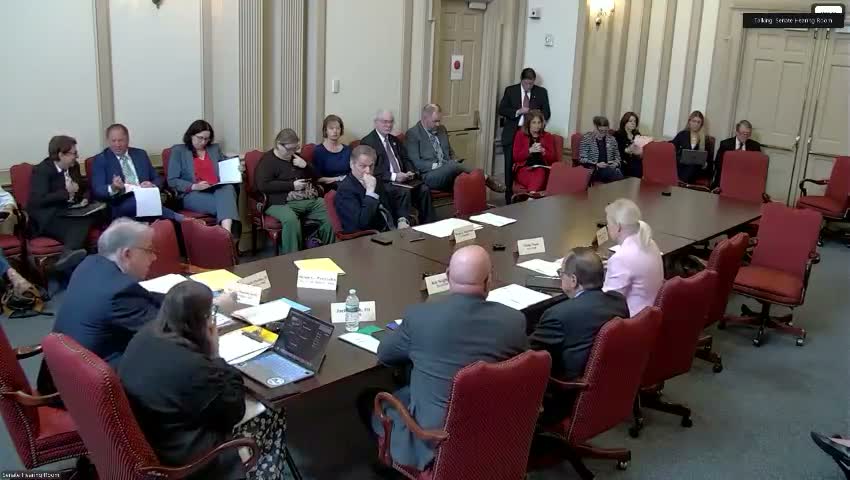
Committee members pressed about interactions with the state's prompt‑payment and unfair‑claims statutes, how rescission would work when settlement checks were cashed or deposited, whether commercial auto should be exempted, and what percentage of settlements are rescinded in other states. Industry witnesses said the rescission period proposed by insurers (three days) is a compromise; proponents argued that three days leaves many injured people without the time to get care and understand their condition.
Public comment featured trial‑lawyer testimony in favor (Rachel Allen, Justin Weeks and others) describing regular calls from injured people who accepted early offers and later learned they had significant injuries. Industry witnesses including Laird Stabler of State Farm urged the committee to reject or substantially amend the bill to avoid unintended consequences.
No committee vote was taken. The sponsor and stakeholders signaled ongoing negotiations about the length of the rescission period and possible carve‑outs for commercial or minor claims.