Get Full Government Meeting Transcripts, Videos, & Alerts Forever!
Get email alerts on the Transit Pilot topic
No spam. Unsubscribe anytime.
City reports positive early results from Bowers Lane bus boarding platform pilot
Summary
Public Works reported that the Bowers Lane bus boarding platform pilot produced modest but meaningful speed reductions (1–4 mph) and improved pedestrian and rider perceptions of safety, especially near Martin Luther King Middle School; staff will return with a one‑year dataset for further evaluation.
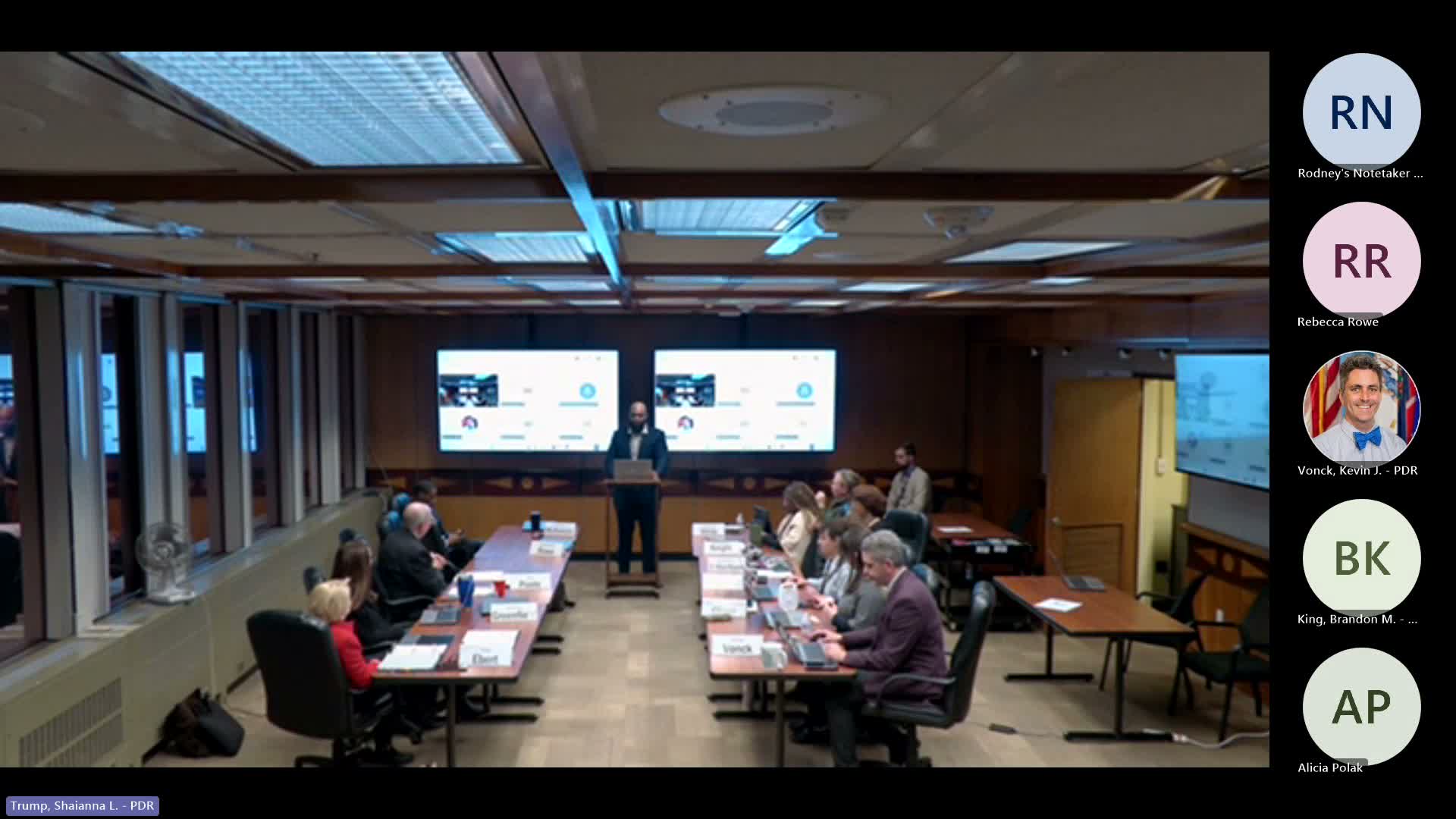
Public Works presented results from the Bowers Lane bus boarding platform pilot, part of the city’s "lighter, quicker, cheaper" traffic‑calming program. Brandon King, program operations supervisor, said early metrics show a corridor-wide speed reduction of roughly 1 to 4 miles per hour and improved survey responses about pedestrian and rider safety.
King highlighted that the largest speed reductions occurred in front of Martin Luther King Middle School, where murals, flex-posts and other visual treatments were installed as part of the pilot. “When we ask the question, how safe do you feel walking along the streets after safety improvements, there's a tremendous uptick in people feeling safe along that corridor and at the bus boarding platform,” he said.
Public‑facing spot surveys, rider surveys and bus-driver feedback were used to assess performance. Drivers initially had trouble aligning buses with the curb platform, King said, but that operational issue improved over eight months as operators adapted. King told the commission staff intends to return with a one‑year set of data in summer 2026 and may test refined or permanent designs based on the findings.
The commission asked technical questions about measurement locations and the relative impact at different intersections; staff said they would bring more granular analysis at the follow-up presentation.