Get Full Government Meeting Transcripts, Videos, & Alerts Forever!
Get email alerts on the Mayo Bridge topic
No spam. Unsubscribe anytime.
Planning commission gives conceptual approval to Mayo Bridge replacement, requires stronger bike and bus safety measures
Summary
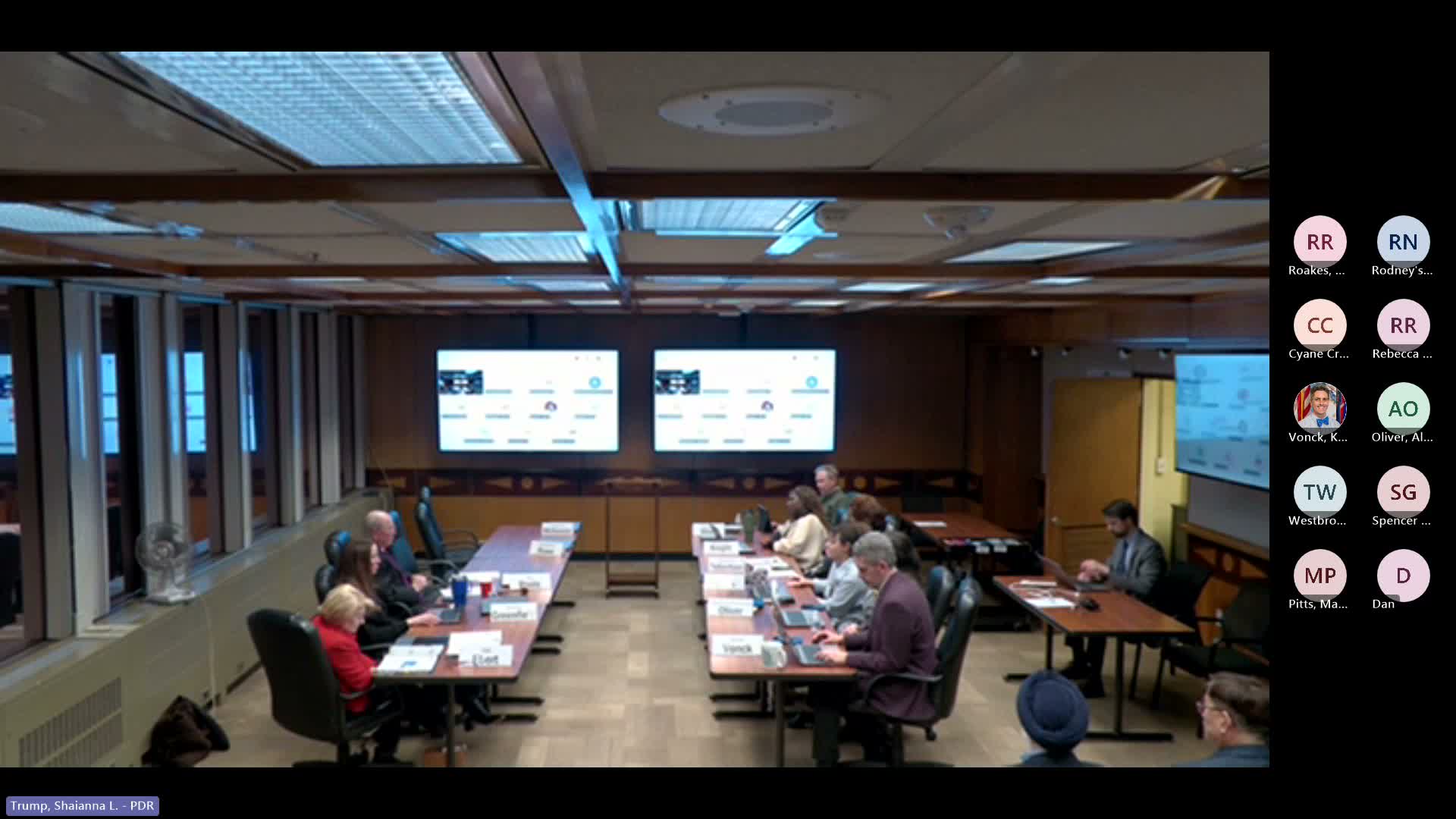
The City of Richmond Planning Commission gave conceptual approval to a replacement of the 1913 Mayo Bridge with conditions directing the project team to provide clearer bicycle protection, bus-stop safety details, and additional community review before final design.
The City of Richmond Planning Commission voted to conceptually approve the location, character and extent of a proposed replacement for the 1913 Mayo Bridge, but required the project team to return with clearer protections for bicyclists, additional safety provisions for buses that will stop on the bridge and an extra public review step before final approval.
Planner Roakes, presenting staff and the Urban Design Committee's recommendations, emphasized the project's safety and multimodal goals, saying the plan would provide “wider sidewalks, protected bike lanes and improved pedestrian crossings” while seeking to maintain the bridge's historic presence in the riverfront master plan. The UDC added conditions asking for revised plans showing how pedestrian, bicycle and vehicle lanes connect north and south of the bridge, a protected bike lane on the bridge, equal-width sidewalks on both sides and renderings that show the bridge in context.
City bridge engineer Dr. John Kim, speaking for the project team, asked the commission to treat the approval as a conceptual start that will allow the city to begin required federal environmental review: “For the conceptual design presented today, our project team has been trying to incorporate 2011’s public survey, the 2011 commission decision and the 2024 public survey, as well as the CIM meeting input as much as possible,” he said.
Federal environmental requirements will govern parts of the process: the environmental manager noted that because the project includes federal funds the NEPA umbrella applies. As the environmental representative put it, “If we're using a chunk of federal funds, the whole project is considered federalized for the purposes of NEPA.” The NEPA process will include studies now under way and additional public outreach.
Commissioners and agency staff repeatedly returned to a core technical tension: the desire for a physically separated bike lane versus the fire marshal’s requirement for unobstructed vehicle access. Anthony Jones of the planning bureau and assistant fire marshal told the commission that emergency access requires a clear 10-foot area for vehicles to pull over in an emergency, and cautioned that fixed barriers could impede that access. The project team acknowledged the conflict and said it would keep exploring tactile or nonblocking measures such as rumble strips or mountable curbs that might provide cyclist protection without fully blocking emergency maneuvers.
Public commenters, including frequent bridge users and local neighborhood leaders, urged more robust bicycle protection. Daniel Grover Nelson, a cyclist who testified during public comment, said: “The recommendations by the engineers you've seen today are not sufficient to protect cyclists from car traffic.” Janet Woodka, president of the Manchester Alliance, told the commission the bridge should offer an inviting pedestrian experience and said the current concept “is not safe the way it is constructed” and urged alternatives such as mountable curbs or movable objects to protect bike lanes.
Transit operations were also central to the debate. GRTC’s capital project manager described how an off‑lane bus boarding pullout and a raised, slow intersection on Mayo Island would manage boarding and alighting, and said slower bus movement at a raised table reduces passing behavior that creates risk for pedestrians. Commissioners requested the applicant provide specific safety solutions where buses will stop and asked that those measures be addressed before final approval.
After public comment the commission adopted a motion to approve the LCE concept with the UDC recommendations, excluding two specific UDC items that conflict with fire/emergency access (the motion asked the project team to continue to explore nonblocking protective measures), and adding a requirement that staff and the applicant return with additional public review and a briefing focused on bike-lane protection and bus-stop safety before any final approval. The motion passed on a roll-call vote with commissioners voting aye.
Next steps: the project team will advance NEPA studies and refine design details, return with revised plans showing network connections and proposed bike and bus protections, and hold an additional public hearing and a supplemental meeting with the Planning Commission prior to final LCE or implementation approvals.