Get AI Briefings, Transcripts & Alerts on Local & National Government Meetings — Forever.
Bill to ban masked law‑enforcement interactions draws sharp debate over transparency and operational risk
Loading...
Summary
HB 366 would generally prohibit law‑enforcement officers from wearing facial coverings that conceal identity while performing duties, with exemptions for tactical operations and medical/safety gear; supporters said the bill promotes accountability and public trust, while State Police and chiefs urged caution about federal supremacy and operational safety.
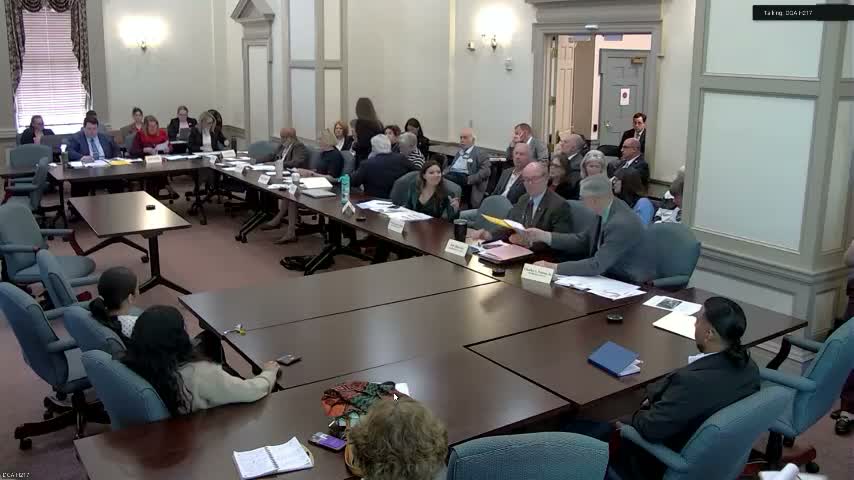
Representative Forman presented HB 366 to the Judiciary Committee, proposing a state law that would generally prohibit law‑enforcement officers operating in Delaware from concealing their faces while performing official duties, with narrowly tailored exemptions for undercover operations, SWAT/tactical deployments, medical masks and exigent circumstances.
Sponsor’s case: sponsor said concealment has created fear in communities and can hinder accountability. "This is a public safety emergency," she told the committee, arguing that visible identification reduces the risk that masked actors will be mistaken for law enforcement or used as cover by bad actors.
Law‑enforcement response: the Delaware State Police (Sergeant Mike Rippel) and the Delaware Association of Chiefs of Police opposed the bill in its current form, saying it risks placing state troopers in conflict with federal officers or creating enforcement obligations that implicate the Supremacy Clause. The chiefs argued the state already has policies and discipline governing identification and that the bill would be redundant or could create operational complications.
Public comment: dozens of speakers — community leaders, civil‑rights groups, and immigrant advocates — urged passage as a trust‑building measure; some framed it as essential to prevent anonymous arrests and to protect vulnerable communities from impersonation or excessive force.
Committee action: a motion to release was filed; the bill did not receive the necessary signatures to be reported out during the hearing. Sponsors signaled willingness to continue consultation with law enforcement on drafting and to refine notification/coordination procedures.
Bottom line: the bill sits at the intersection of accountability and operational feasibility; the committee will consider technical changes and further consultation before moving the matter forward.