Get AI Briefings, Transcripts & Alerts on Local & National Government Meetings — Forever.
Committee advances bill to raise penalties for damaging emergency vehicles after vandalism incidents
Loading...
Summary
A sponsor told the Judiciary Committee the bill would upgrade damage to authorized emergency vehicles to a class F felony to deter attacks on fire and EMS apparatus; committee members and public defenders urged tightening language on temporary incapacitation and mens rea for people in crisis. The bill was released for signatures.
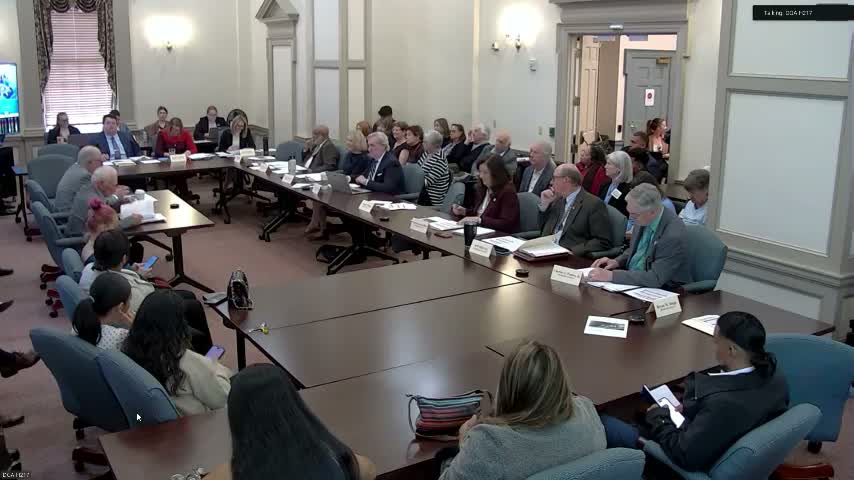
A bill to increase penalties for damaging authorized emergency vehicles was advanced out of the Delaware House Judiciary Committee on April 22, 2026, after testimony from the bill sponsor and public comment explaining why sponsors say a stronger penalty is necessary.
The sponsor told the committee the measure would change criminal mischief for damaging a fire, ambulance or police apparatus to a class F felony, punishable by up to three years in prison, arguing the damage can disable a vehicle and place crews at risk. He described news-reported incidents in which rocks hit windshields and said “these apparatus are custom pieces” whose windows can cost thousands of dollars to replace and whose loss can put multiple responders in danger.
Why it matters: supporters said a felony penalty would send a deterrent message and protect first responders and expensive life‑saving equipment. Opponents and some committee members said the bill’s current wording could catch low‑level or accidental damage — such as a flat tire or acts by a person in crisis — and urged changes to limit the felony to intentional, substantial harms.
Committee discussion centered on two technical questions: whether the felony should require pecuniary loss of $5,000 and whether the phrase “temporarily unable to be used” is too broad (members pointed out a flat tire or minor, easily fixed damage could be labeled temporarily disabling). Representative Lynn asked whether the bill should clarify mens rea to avoid felony exposure for people acting under diminished capacity; the sponsor said the intent is to target deliberate acts, and he was open to drafting changes.
Public comment reflected divergent views. Anthony Capone of the Office of Defense Services said his office and state police have concerns about the draft language and asked for continued consultation before the bill reaches the House floor. Miriam Dade of Tide Shift Justice Project urged opposition, arguing increasing penalties for property damage won’t reliably deter misconduct and risks increasing incarceration.
Outcome and next steps: the committee voted to release the bill for circulation to members for signature. The sponsor and staff said they will work with stakeholders to revise language responding to concerns about thresholds for felony treatment and protections for people acting under diminished capacity.
No formal sentencing changes or implementation timelines were set in committee testimony; additional drafting and a subsequent floor vote will determine the final text.