Get AI Briefings, Transcripts & Alerts on Local & National Government Meetings — Forever.
UN spokesperson warns of displacement orders, rising food insecurity in Lebanon
Loading...
Summary
The UN warned that a new Israeli displacement order south of the Litani River covers 16 areas and that recent strikes killed three civil defense workers; UN agencies say about 1.24 million people in Lebanon face crisis-level food insecurity and the Lebanon flash appeal is 38% funded.
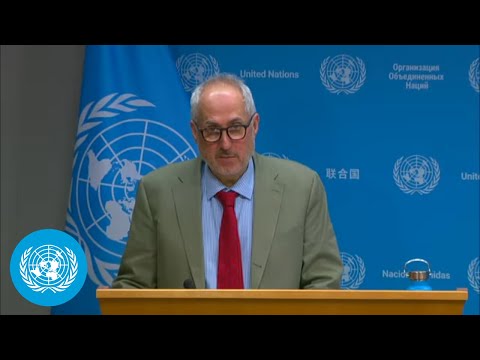
The UN spokesperson told reporters that Israeli authorities issued a new displacement order south of the Litani River covering 16 areas and instructing residents to move to the nearby town of Bridal, a move the UN said disproportionately affects women and children and heightens risks of gender-based violence in overcrowded shelters. The moderator added that three civil defense rescue workers were killed when strikes hit a building in the south yesterday, underscoring the danger faced by civilians and humanitarian personnel.
Why it matters: The UN flagged that food security is deteriorating in Lebanon amid recent hostilities. The Food and Agriculture Organization and the World Food Programme, the spokesperson said, project that about 1,240,000 people — nearly one in four of the population assessed — may face IPC Phase 3 (crisis) or worse between April and August. IPC Phase 3 indicates households may start skipping meals or selling goods to buy food.
The spokesman noted the Lebanon flash appeal has received just over $117,000,000, representing roughly 38% of the $308,000,000 the appeal requested, leaving significant funding gaps as needs rise. Humanitarian partners also reported that emergency teams were responding to wounded people after an earlier strike at the same location.
The spokesperson emphasized compliance with international humanitarian law, saying that attacks on civilians and civilian infrastructure, including health workers, are "not only unacceptable, they are against international humanitarian law." The UN urged all parties to observe obligations under those laws and called for safe, unhindered humanitarian access so partners can deliver food, shelter, water and health care to affected populations.
Next steps: The UN continues to coordinate with humanitarian partners on assessments and short-term response measures and has appealed for additional donor funding to close critical gaps.