Get AI Briefings, Transcripts & Alerts on Local & National Government Meetings — Forever.
Kansas Rep. Mike King asks Marion County to itemize costs, flags unfunded mandates
Loading...
Summary
Representative Mike King met with the Marion County Commission on April 27, asking the board to list its top revenue sources and county-level expenses the state still requires so he can weigh potential legislative changes; commissioners detailed local revenue makeup and cited unfunded mandates as a central budget pressure.
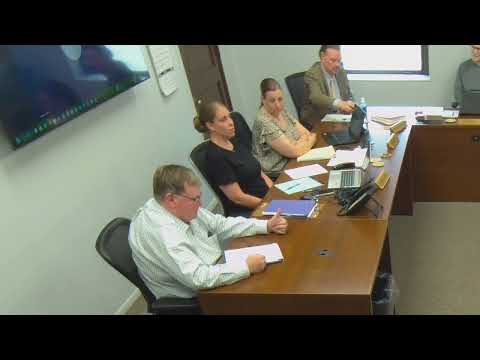
Representative Mike King, who represents Kansas House District 74, visited the Marion County Commission on April 27 to ask commissioners three guiding questions about county finances and priorities, including where the county’s principal revenue comes from and which state-required expenses may no longer be needed.
"Where do you get your your tax revenue from? What are your three main sources?" King asked, framing the visit as an information-gathering trip for the next legislative session. He said he wants a short list of required county expenditures with approximate annual dollar amounts so he can compare Marion County with other counties.
County officials told King that the local revenue picture is narrower than the state’s ‘‘three-legged stool’’ (income, property and sales taxes). One county speaker said the primary local assessments are property tax and sales tax and that the only dedicated assessment the county uses is for solid-waste transfer operations. "The only assessment raised rate that we utilize is for solid waste, for to fund our transfer station," a county staff member said.
Commissioners and staff repeatedly cited unfunded or underfunded state requirements as the biggest budget pressure. Board members described state-mandated services that now shift cost burdens to counties, including vehicle-registration functions and technology upgrades that previously had state funding. County officials said elections and vehicle services impose technology and staffing costs the state no longer covers at prior levels.
Insurance and equipment costs were singled out as recent budget drivers: a county official said insurance expenses increased by roughly $200,000 this year, from about $1.8 million to $2 million. Road and bridge operations were cited as one of the largest line items in the county budget and an area where aging equipment and rising costs are pressuring local finances.
King also raised population growth as a state priority and asked whether it aligned with county aims. Commissioners said growth can be beneficial if it is managed and supported by housing and local infrastructure investments; several suggested targeted industry recruitment and housing development as paths to slow population decline.
King requested that county staff prepare the list of mandatory or required-cost items (about 10–20 entries with approximate annual dollar amounts) so he could compare Marion County with peers and carry those concerns to the state legislature. The representative said he would use the information to advocate for clearer legislative priorities and possible adjustments to state-imposed duties.
The commission did not adopt policy at the meeting in response to King’s visit; members invited him to return and asked staff to compile the requested data for follow-up.