Get Full Government Meeting Transcripts, Videos, & Alerts Forever!
Get email alerts on the Homeless Services topic
No spam. Unsubscribe anytime.
Board approves Guest House shelter and transitional housing with short‑term review and neighborhood committee
Summary
After extended testimony from neighbors and the Guest House CEO, the board granted special‑use approvals for the Guest House emergency shelter and adjacent transitional housing with shorter review terms and a requirement that the operator convene a quarterly community committee to address neighborhood impacts.
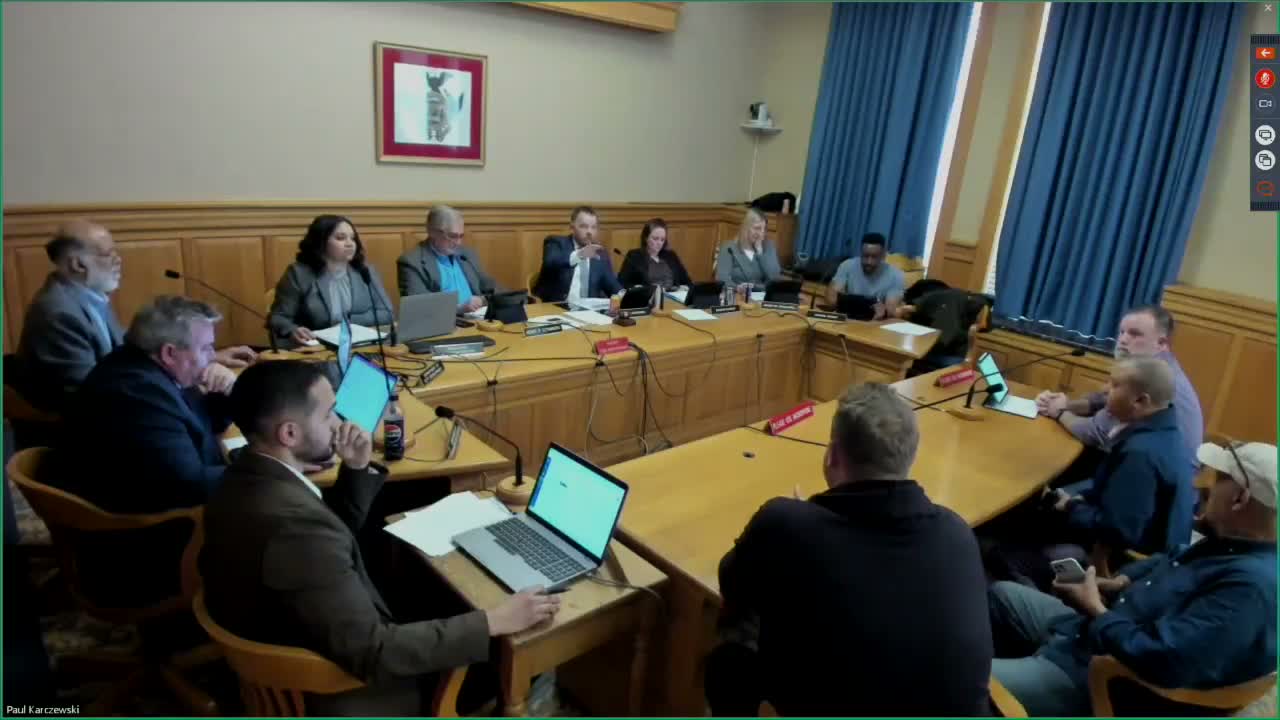
The Board of Zoning Appeals on April 2 approved reapplications from Guest House for an emergency men's shelter and a small adjacent transitional housing program, but imposed short review periods and a neighborhood committee requirement after neighbors described persistent problems around the site.
Neighbors and a local pastor testified to repeated incidents near church property and nearby lots — campers, trash, needles and, in at least one account, threatening behavior. "We have people sleeping out at the door of the church, throwing all kind of trash and some biological hazard like needles," a neighbor told the board.
Guest House CEO Stephen Bauer said his organization runs a low‑barrier men’s shelter that can house 86 people and provides on‑site mental‑health clinicians and case managers. Bauer described partnerships with Milwaukee County street outreach, coordination with other regional warming sites and security and intake procedures meant to limit disruptive behavior. "We work very closely with Milwaukee County out street outreach... and we do everything we can to be a good steward of the neighborhood," Bauer told the board.
Board members acknowledged the difficulty of balancing neighborhood impacts against the need for shelter services. The board approved the transitional housing application and granted the emergency shelter a limited term (motions specified periods of two to five years in different actions), and it required the petitioner to form a neighborhood advisory committee that meets quarterly and files minutes with the BOZA office. Several members said shorter approvals and formal community meetings would create a framework for monitoring impacts and adjusting operations.
The board emphasized the importance of ongoing coordination — with the district attorney’s office, MPD and neighborhood representatives — and required the Guest House to report on committee meetings and to address enforcement complaints raised by DNS if they recur.