Get Full Government Meeting Transcripts, Videos, & Alerts Forever!
Get email alerts on the Sensory Inclusion topic
No spam. Unsubscribe anytime.
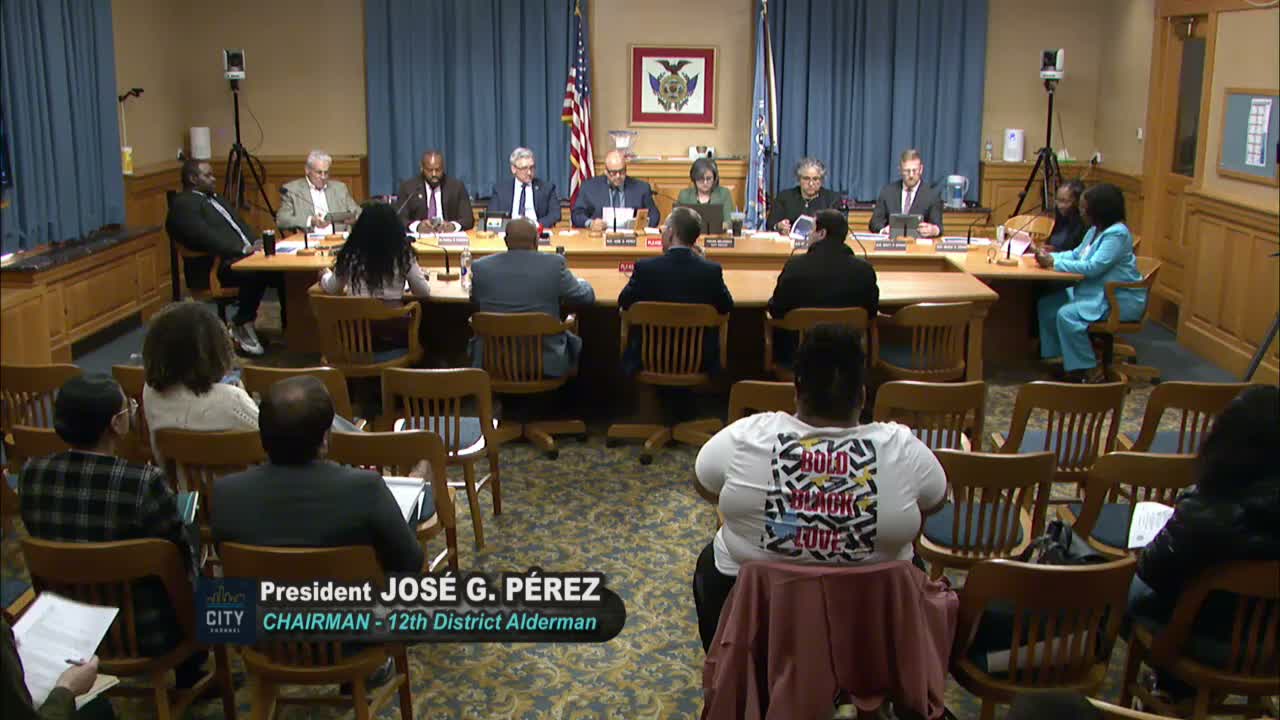
Council committee adopts substitute resolution to pursue Culture City sensory‑inclusive certification for Milwaukee
Summary
The committee adopted a substitute resolution authorizing the city to pursue Culture City certification, a program that pairs short staff training with tools (sensory kits, signage) to make public venues and city services more accessible for people with sensory needs; officials cited both inclusion and tourism benefits.
A City of Milwaukee committee on Monday approved a substitute resolution directing the administration to pursue certification with Culture City, a nonprofit that trains organizations and venues to be sensory‑inclusive.
Clifton Crump, policy and administration director for the office of the president, described personal motivation for the initiative, saying his 20‑year‑old son is autistic and that the city should aim to be a place where people with sensory needs can live and visit. "Why not Milwaukee?" Crump said, urging the committee to place the city "on the map." Molly King, the city's benefits director, told the committee the program pairs a 30–45‑minute virtual training for staff with tools such as sensory bags, noise‑cancelling headphones and visual cue cards, and includes accountability and ongoing support from Culture City. "This gives [staff] a practical tool so they're not just guessing," King said.
The resolution frames the partnership as both a civil‑inclusion measure and an economic opportunity. Tony Snell Rodriguez of VISIT Milwaukee, who also chairs the city's Equal Rights Commission, said travelers with special needs take millions of trips annually and that certification can make Milwaukee a more attractive destination. Local institutions already certified or piloting elements — including Discovery World and the Mitchell Park Domes — described operational changes they have made, from quiet zones to recertified staff training. Casey Clapper of Discovery World said the organization has partnered with Culture City since 2022 and maintains annual recertification.
According to city presenters, Culture City charges roughly $500 per department for annual training; the administration said it aims to train front‑facing employees first and reach as many city staff as possible within 90 days after adoption (the administration cited an April 21 target tied to the council calendar). Officials emphasized the designation is not merely a label but a program of training, tools and signage intended to make public spaces easier to navigate for people with invisible disabilities such as autism, PTSD and dementia.
A committee member moved adoption of the substitute resolution; the chair asked for objections and, hearing none, ordered adoption. Committee members and community partners urged continued outreach, signage and coordination with hospitality and cultural venues to scale existing efforts across the city. The administration said it will return with implementation steps and partner coordination as the program rolls out.