Get Full Government Meeting Transcripts, Videos, & Alerts Forever!
Get email alerts on the School Technology topic
No spam. Unsubscribe anytime.
IT director details phone‑system, air‑gapped backups and camera upgrades
Summary
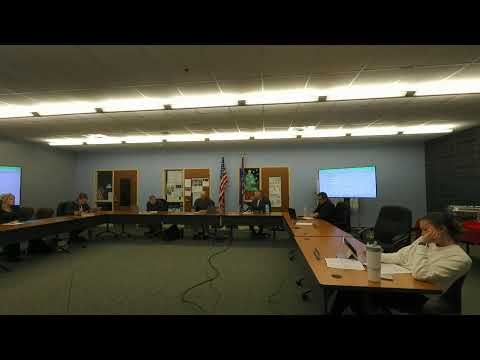
Carl Mink, Tri‑City United’s director of information technologies, told the board the district completed a phone‑system core update, installed an air‑gapped backup for disaster recovery, upgraded cameras and virtualized key systems to improve redundancy and emergency paging.
Carl Mink, Tri‑City United School District’s director of information technologies, told the board the district completed a major summer technology refresh that included a core phone‑system update, new server hardware and licensing, and improvements to emergency paging and redundancy across two co‑located data sites. "We have servers and redundancy in 2 locations, physically separated from each other," Mink said, describing the district’s failover capability and ability to call 911 in emergency response mode.
Mink said the district added an air‑gapped backup device that is not connected to the internet unless staff choose to do so, allowing image backups of servers at the high school and La Center site and offline storage for months between refreshes. "This gives us the ability to do image backups of all of our servers… and hold those data until we do another update," he said, adding the device should serve for about five to six years before replacement.
He described the district’s virtual machine environment that consolidates multiple services — including HVAC controls (Compass), access control, VoIP and document management — onto host systems backed up to the air gap. Mink also reported Avigilon camera upgrades that centralize feeds from four network‑video recorder points for district‑wide viewing, and added high‑resolution perimeter cameras at the center campus to improve visibility of egress points.
Mink reviewed classroom and commons‑area audiovisual work: large‑format displays at several sites, a wireless timing and results feed for pool events, and plans for a dedicated segmented Wi‑Fi hotspot to support event capacity. He also noted a Windows 11 rollout and a teacher device refresh target of at least 50 units, to be procured through a bidding process in March as part of a three‑year replacement cycle.
The director flagged changes in Chromecast and similar consumer products and said the district will pilot alternative, more open solutions. He asked the board to expect a Technology Access Plan presentation in January or February and invited questions about asset inventory and recovery procedures. The board thanked Mink for the report; Mink described use of asset tags and a Google management platform to track device age, firmware and last login information.