Get Full Government Meeting Transcripts, Videos, & Alerts Forever!
Get email alerts on the Licensing topic
No spam. Unsubscribe anytime.
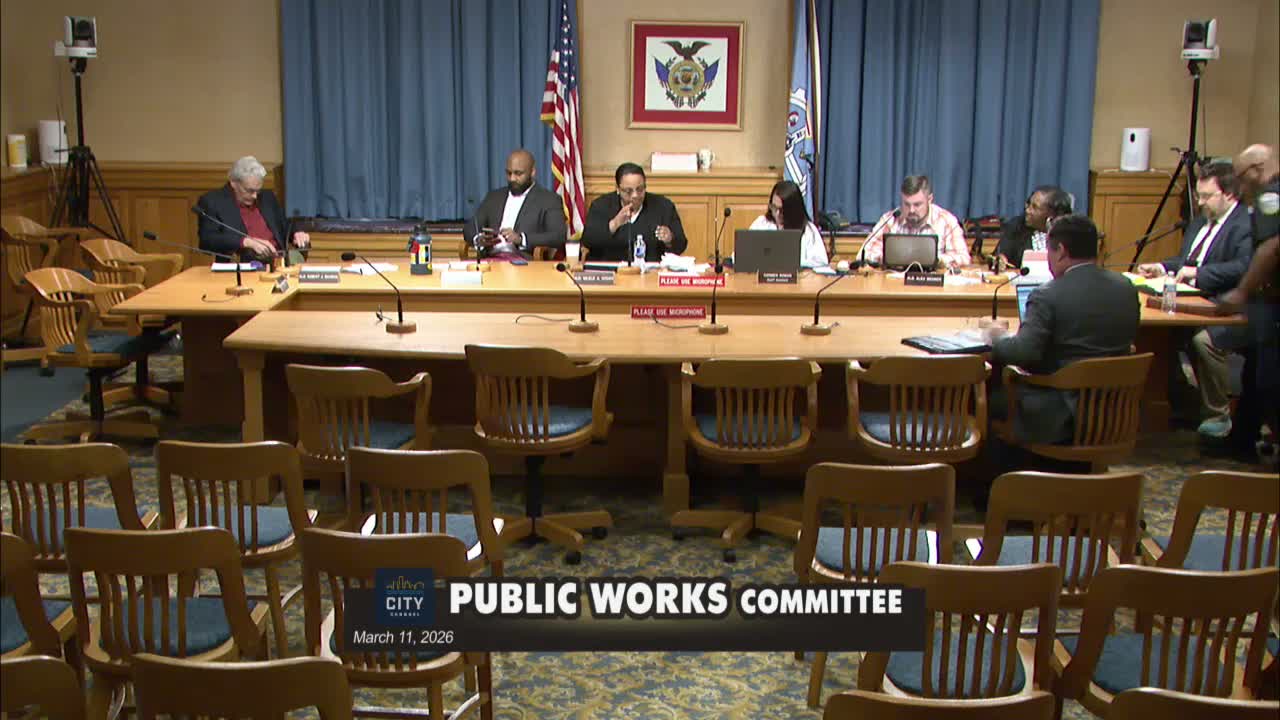
Public Works Committee denies public passenger‑vehicle license for applicant on offender registry
Summary
After hearing sworn testimony and reviewing a 2010 second‑degree assault conviction with use of a weapon, the committee voted 4–1 to deny Mohammed Sarfaraz’s public passenger vehicle driver license application, citing concern about the nexus between the conviction and the authority a licensed driver holds while transporting passengers.
The Public Works Committee voted 4–1 to deny Mohammad Sarfaraz’s application for a public passenger vehicle driver license.
Sarfaraz testified under oath and told the committee he believes he did not receive fair representation in court, that he completed treatment and that he supports his wife and three daughters. “I lost everything,” he told the committee while discussing the conviction’s personal consequences.
Committee members and city attorneys discussed legal constraints around licensure and employment discrimination law, including the committee’s customary 10‑year background lookback. City legal counsel noted that because Sarfaraz remains on a sexual‑offender (*** offender) registry following a second‑degree assault conviction — a conviction that included use of a dangerous weapon — the committee’s lookback policy is effectively superseded by the permanent registry and the conviction remains a relevant disqualifier.
Members debated whether the applicant had shown adequate rehabilitative steps and whether the public safety concerns created by a driver’s ability to lock doors and divert routes create a substantial relationship between the conviction and the license sought. The chair said she did not find sufficient evidence of rehabilitation or contrition in the hearing and moved to deny the application; the motion passed 4–1. The committee directed that the record reflect the denial and that the applicant may pursue any administrative or legal options available to him.
The committee’s action is limited to the city license; staff noted that network ride‑hail companies and state licensing regimes maintain separate qualifications and prohibitions that may differ from the city’s licensing process.