Get Full Government Meeting Transcripts, Videos, & Alerts Forever!
Get email alerts on the Budget Transparency topic
No spam. Unsubscribe anytime.
Community presses for clearer numbers as Gary Community School Corporation seeks additional appropriations
Summary
At a public hearing, community speakers questioned budget transparency after a resident cited a $6.6 million surplus on Form 9; the district's presenter said unplanned costs (tornado repairs, bargaining settlement, curriculum purchases) and debt-timing adjustments justify the requested appropriations.
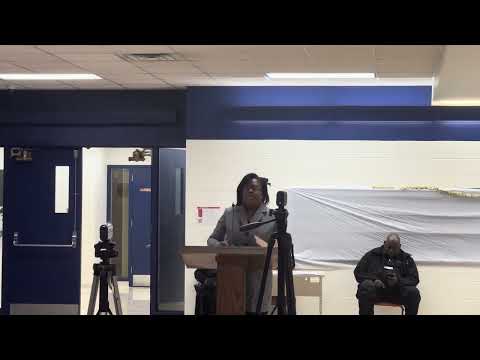
A public hearing on additional appropriations for the Gary Community School Corporation opened with a resident citing Form 9 figures that she said showed $49,322,060.81 in receipts and $42,723,531.39 in expenditures for Jan. 1–June 30, 2025 — a difference she described as a $6,598,529.12 surplus — and asking why the district was seeking extra appropriations.
The resident urged the board to provide fuller accounting and not rely solely on the CFO's reporting, saying accrual-based information would let residents see when obligations are due rather than waiting for cash outlays. "With an accrual based accounting system...I know when the money is due," she said, arguing that the community needs more than spreadsheets posted at meetings.
Bruce Curry, who identified himself during public comment, praised progress on teacher raises and urged the board to keep the budget process moving so planned projects and student needs are met. "We gotta keep moving forward... I trust in the faculty, the students, the administrators," he said.
The district presenter, identified in the transcript as Linda, walked the board and attendees through the primary reasons for the requested additional appropriations. She said the district had to cover unexpected costs from a November tornado (about $450,000 paid up front and to be reimbursed by insurance), expenses tied to a recent collective bargaining settlement, unanticipated curriculum purchases (she cited roughly $650,000 spent midyear), and cash-flow pressures tied to charter-school property-tax sharing and legacy debt schedules.
"We do have the cash in our cash balances to support these additional appropriations that I am requesting," Linda said, and added that she had worked with the Department of Local Government to realign debt payments so those obligations fall within the budget years in which they should be recorded.
Board members and attendees asked for clearer public materials. One attendee requested that more budget forms (Form 4, Form 3R and related notices) be posted on the district website rather than requiring community members to consult board docs. The presenter acknowledged some materials are posted and said staff would consider what else could be made more accessible.
Attendees also asked about the capital plan and whether facilities such as a swimming pool at Westside were being pursued; the presenter said she had consulted an outside expert and would follow up with more information by the next meeting.
Several speakers pressed the district’s use of cash-basis accounting. The presenter explained the district’s reporting and the State Board of Accounts software are cash-based and said converting to or maintaining parallel accrual statements would be complicated. A questioner noted the state’s reported budget surplus and said comparative analysis across districts is easier when most use cash-basis reporting.
The public hearing concluded after a motion to close was made and seconded; one affirmative vote was recorded and no opposition was noted. The board moved on to the regular meeting agenda.
What happens next: The presenter indicated she would return to the regular meeting to ask for formal action on appropriations and follow up on website posting and the Westside pool inquiry. The board will consider the formal appropriation request consistent with statutory public-notice and Department of Local Government procedures.