Get Full Government Meeting Transcripts, Videos, & Alerts Forever!
Get email alerts on the Sewer Gas Safety topic
No spam. Unsubscribe anytime.
Residents warn of sewer-gas danger; city says monitoring and fixes are underway
Summary
Residents told the Rowlett City Council about repeated hydrogen sulfide (H2S) odors and elevated meter readings at multiple manholes and urged certified training and equipment for public-works crews; city staff said third‑party monitoring found no continuous emissions, that inline monitors and PPE are in use, and aerators and posted data are coming.
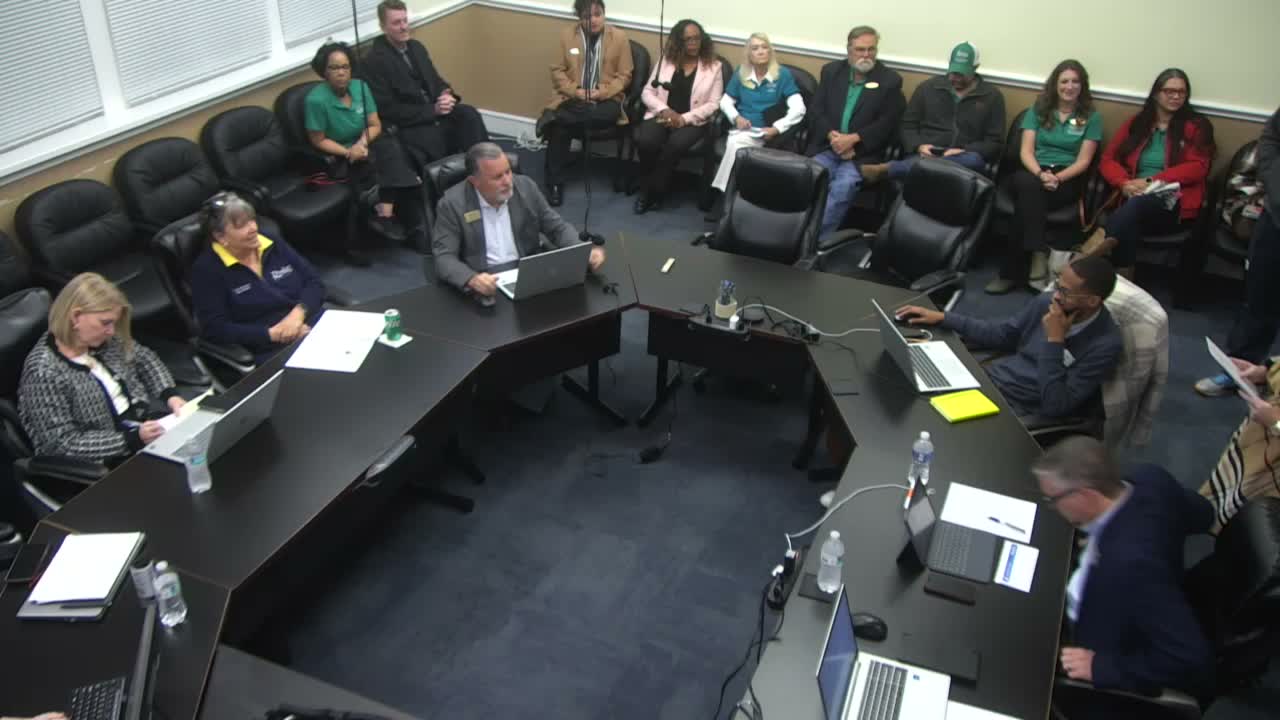
At a Dec. 1 Rowlett City Council work session, residents urged immediate action over what they described as a citywide hydrogen sulfide problem and potential risks to public‑works employees.
"Are Rowlett Public Works employees being provided with certified H2S training that prepares them for safe entry, detection, ventilation, and emergency response?" asked Allison Felderhof, a resident who opened the citizens' input period. Felderhof told the council H2S had been detected along Liberty Grove and near Highway 66 and Rowlett Road by McDonald's and said the gas can be deadly in high concentrations and harmful at lower levels over time. She also recounted media reports that three wastewater workers died after a hydrogen sulfide release at the Westwood Shores Municipal Utility District wastewater plant in Trinity County on Aug. 27.
Justin, another resident who spoke, said his portable monitor showed readings up to 100 parts per million — the maximum his device could display — and that low‑level alarms set at 10 ppm should be taken seriously. "If anybody has to go down into those things, it could be a nightmare," he said.
Dan Hap, a neighbor who said he had observed the smell near manhole covers on Liberty Grove and Rowlett Road, urged the city not to "just throw stuff up on the wall" and to find a durable solution after multiple sewer failures since June.
City staff responded that the city has been actively investigating. Staff said the city purchased portable monitors, conducted spot checks and engaged a third‑party engineering firm, Freese and Nichols, to place air‑monitoring devices at several lift stations and manhole locations. "We placed air monitoring devices at Liberty Grove in Princeton, Liberty Grove in Old Princeton, Liberty Grove just west of Chiesa and in the Homestead neighborhood," a staff member told the council, adding the firm collected thousands of intermittent data points over several days.
Staff said those monitors recorded only carbon monoxide on the campaign and that elevated readings at lids on isolated checks did not show a continuous emission at two feet above covers. Officials told the council the city also has inline monitors inside sewer lines and that crews use PPE and pre‑entry checks. The council was told aerators had been ordered and were expected to arrive and be installed within days to help oxygenate lines.
City officials pledged to publish the full monitoring data online and continue testing. They also acknowledged separate but related concerns about worker safety if employees must enter confined spaces, and said the city is checking training and equipment protocols.
Next steps: the city will post the monitoring report and data and continue mitigation work, including installing the aerators and monitoring their effect. Councilors requested ongoing updates as staff refines monitoring and remediation plans.