Get Full Government Meeting Transcripts, Videos, & Alerts Forever!
Get email alerts on the Public Safety topic
No spam. Unsubscribe anytime.
Waller County approves $100,000 pilot to pay overtime for deputies after debate over policing and rental‑linked crime
Summary
The commissioners approved a pilot program allowing paid overtime for patrol deputies and jailers (sergeants and below), increasing the standard hours threshold from 80 to 86 and capping the pilot at $100,000 funded by salary savings in the sheriff's budget. Commissioners and public speakers debated whether the measure is a short‑term "band aid."
Waller County Commissioners Court on the morning session approved a pilot program to allow paid overtime for patrol deputies and jailers, amending the proposal to increase the pilot cap to $100,000 and to start with the first May pay period.
The program, described by county staff as a targeted response to hotspot crime, raises the standard hours threshold from 80 to 86 — meaning overtime could be incurred after 86 hours — and limits eligibility to patrol deputies and jailers (sergeants and below). County staff recommended the $100,000 increase to cover benefits and related costs and said the funding will come from salary savings within the sheriff's office.
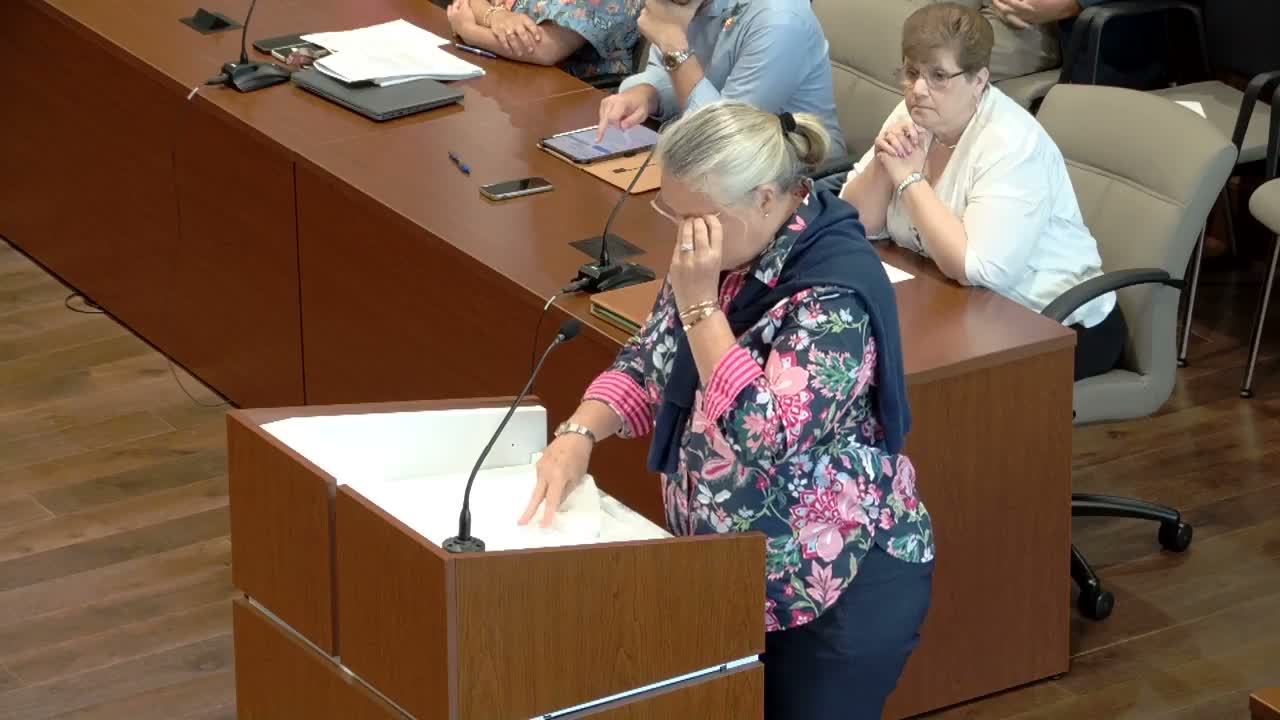
The item drew a lengthy public exchange and internal debate. A resident who spoke during public comment said Sonterra (a large subdivision split across county lines) has experienced shootings, thefts and other criminal activity and urged the court to "allocate more money to law enforcement" and send extra patrols: "We need your help cleaning it up." Supporters on the court and staff described the pilot as a short‑term way to provide extra patrols in high‑volume areas while the county develops longer‑term staffing plans. The sheriff's office and staff said the pilot would be monitored and run as a three‑tiered, supervised program, with periodic reporting to the court.
Some commissioners and a constable criticized the plan as a "band aid" that does not solve long‑term staffing shortfalls. One commissioner urged caution about comp‑time versus cash overtime, saying comp time can create large liabilities when employees leave and that cash overtime may better recruit officers to fill immediate gaps. The court adopted an amendment to raise the pilot cap to $100,000 and then voted to approve the item as amended.
Officials said the pilot will be evaluated by the budget committee and could be adjusted or extended in future budgets depending on results. Implementation was slated to begin in the first pay period in May, with the sheriff's office responsible for managing the program and reporting back on outcomes.