Get Full Government Meeting Transcripts, Videos, & Alerts Forever!
Get email alerts on the Smart Parking topic
No spam. Unsubscribe anytime.
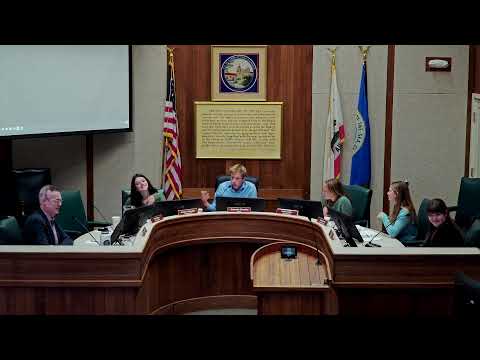
Smart-parking pilot pitched for Carmel downtown; council asks questions about cost, enforcement and resident eligibility
Summary
City IT staff proposed a license-plate recognition pilot to give residents preferential parking and direct visitors to paid spaces; council and residents raised concerns about camera coverage, signage, enforcement, resident eligibility and total costs estimated between $80,000 and $150,000.
Information-technology manager Maya Masiah outlined a Smart Parking Systems pilot intended to reduce congestion in downtown Carmel-by-the-Sea by prioritizing local vehicle access and directing visitors to time-limited or paid spaces.
"My topic is called Smart Parking Systems," Masiah said. She proposed using license-plate recognition to allow residents and local workers to register for preferential or free parking through the DMV while directing visitors to pay stations or time-limited zones. She estimated that one camera system costs about $50,000, kiosks would be approximately $15,000 each, and app software could cost roughly $15,000 per year; she gave a broad pilot estimate of a minimum of $80,000 up to $150,000 depending on coverage.
Council members pushed on operational details: a councilor asked how many camera systems would be required and whether a single system covered a street or a block; Masiah recommended starting on two streets as an initial trial. Other questions focused on enforcement and signage: "how would people from out of town know that they have to pay for it? Will there be signage or kiosks?" a councilor asked. Masiah replied that signage and kiosks at typical roadside locations would be part of the installation and that license-plate recognition would support enforcement by identifying nonresident plates.
Public commenters split over who should receive free permits. "I really like this idea until the speaker got to the point of saying that there was gonna be free parking for everyone in Monterey County," resident Jeff Baron said; he argued that free resident permits should be limited to Carmel residents only.
Council members also raised equity concerns about whether nearby communities such as Seaside should be treated as local for permit purposes and whether enforcement would simply push parking demand to adjacent free streets. Masiah acknowledged many of those concerns and suggested a staged pilot limited to core downtown streets to test how the system works before wider rollout.
No formal action was taken on the smart-parking proposal at the meeting; council members noted that implementing such a system would require additional analysis of coverage needs, enforcement mechanisms, signage, privacy considerations and a clear estimate of net revenue or operating cost implications.