Get Full Government Meeting Transcripts, Videos, & Alerts Forever!
Get email alerts on the Workforce Training topic
No spam. Unsubscribe anytime.
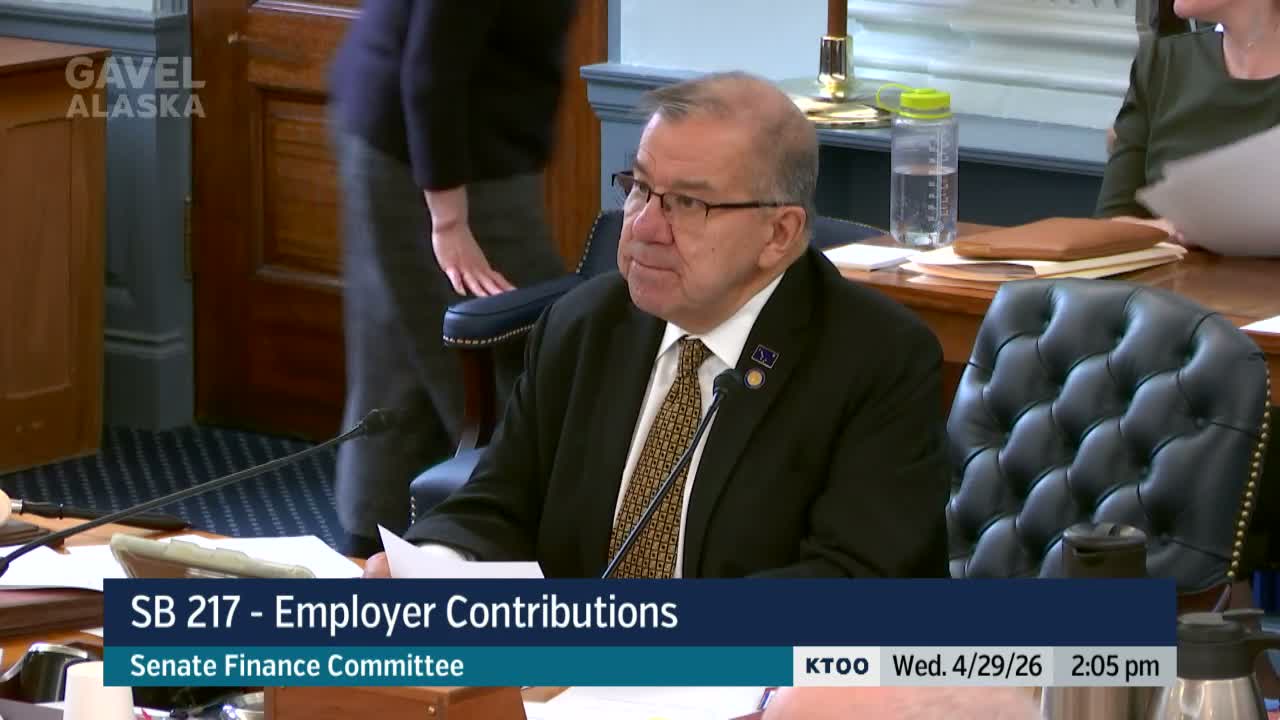
Panel hears employer‑contributions bill to shrink UI overcapitalization and boost training dollars
Summary
SB 217 would reallocate tax flows to reduce employer UI taxes when appropriate, double employee contributions to STEP and add a step tax to expand training funding; department presenters said the Unemployment Insurance Trust Fund was overcapitalized at about $833 million as of Dec. 2025 and proposed lifting the weekly UI benefit to $470.
Senate Bill 217 received its first hearing before the Senate Finance Committee, where administration and Department of Labor witnesses presented a package designed to rebalance the Unemployment Insurance Trust Fund and expand the State Training and Employment Program (STEP).
Robert Boyle, policy advisor to the governor, introduced the committee substitute and framed it as a mechanism to stabilize the UI trust fund while increasing funding for in‑state training programs. Paloma Harbor, director for the Division of Employment and Training Services, told the committee the trust fund balance was $833 million as of December 2025 and exceeded the statutory solvency target by about $250 million. Department actuarial economist Lennon Weller explained that sustained low benefit payouts and statutory minimum tax rates left the fund overcapitalized and limited STEP resources.
The committee substitute would double the employee contribution to STEP in perpetuity and create a step tax mechanism (0.4% floor) to move revenue into training when employer UI rates are low, producing both short‑term training dollars and long‑term increases. The bill also raises the maximum weekly UI benefit from $370 to $470 to reflect wage changes since 2009.
Committee members requested additional breakdowns (dollars by industry, nonresident-worker charts, and program performance metrics); the department agreed to provide the nonresident-worker report and training performance reports. The hearing moved to public testimony: workforce training providers from across Alaska — including MAPS, the Operating Engineers Employers & Training Trust, Southeast Regional Resource Center, and local rural training programs — urged passage, saying STEP funds remove barriers for rural trainees and help place Alaskans into high‑demand jobs.
A review of fiscal notes by Senator Keel outlined multiple Department of Labor fiscal impacts: modest administrative costs in FY27 and larger STEP revenue and operating changes projected in FY28 and later. The committee set SB 217 aside for further deliberation and requested additional data from the department.
What happens next: The committee will review fiscal notes and supplemental materials the department promised, then decide whether to move SB 217 forward with revisions.