Get Full Government Meeting Transcripts, Videos, & Alerts Forever!
Get email alerts on the Capital Referendum topic
No spam. Unsubscribe anytime.
Board narrows capital referendum choices as enrollment and state aid projections tighten
Summary
The committee reviewed concept designs for two classrooms, daycare and secure‑entry upgrades and discussed postponing a referendum as enrollment projections and state aid forecasts tighten the district's fiscal outlook.
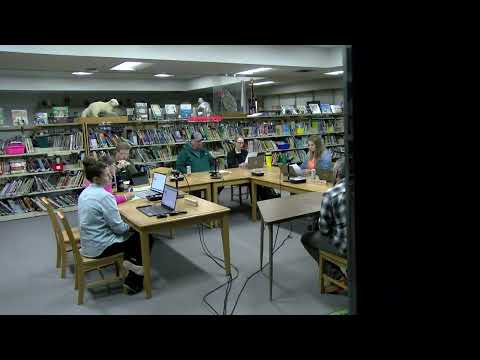
Members of the Solon Springs School District committee on April 13 reviewed concept designs and budget projections for a potential capital referendum that would add two classrooms, expand or relocate daycare space and address secure entry and ventilation in existing facilities. Staff and consultants recommended prioritizing safety and critical facility repairs while trimming optional elements to improve the referendum’s community appeal.
Board members emphasized the district’s falling enrollment and its effect on revenue. Staff presented projections that showed anticipated declines in state aid tied to enrollment trends; a consultant noted the district could continue to lose aid over several years. "When you start taking a look at enrollment projections... we're anticipating that our enrollment's gonna start decreasing," a committee member said, and the group discussed whether expanding the physical footprint makes fiscal sense if student counts decline.
Key points discussed: - Scope: two additional classrooms on the north side, daycare facility on the west side, improvements to secure entry and ventilation in science and shop spaces. - Prioritization: the board asked for a narrower list of needs to test with a community survey to determine what voters would support. - Timing and costs: staff said conceptual cost estimates are being compiled and that a community survey would cost about $6,200 plus postage; several board members said November was not feasible and recommended targeting a later date to allow more public engagement and to align with contract/outreach timelines.
The committee also discussed using a survey to shape ballot language and whether operational budgets could be adjusted to free funds for facilities; staff noted fund‑balance constraints and said recent budgets left little extra for capital outlay. Board members requested walk‑throughs of problem areas (ventilation, secure entry) to inform final priorities.
Next steps: staff will refine cost projections and draft a prioritized list for the board; the committee agreed to discuss survey timing and referendum planning at future meetings. A final resolution would be required by state timelines if the board pursues a November ballot.