Get Full Government Meeting Transcripts, Videos, & Alerts Forever!
Get email alerts on the City Budget topic
No spam. Unsubscribe anytime.
Upland committee previews $5M shortfall in proposed FY2026–28 budget; staff recommends one-time fixes
Summary
City finance staff told the committee the proposed biennial budget shows a $5.0 million deficit in FY2027 and $5.3 million in FY2028. To narrow the gap, staff recommended reallocating insurance costs, drawing on the 115 trust and economic uncertainty reserve, pausing park-lease earmarking for two years and other one-time moves before sending the plan to council May 18.
Upland’s finance committee on April 29 reviewed a proposed biennial budget that staff said contains a structural shortfall of about $5.0 million for fiscal 2027 and $5.3 million for fiscal 2028.
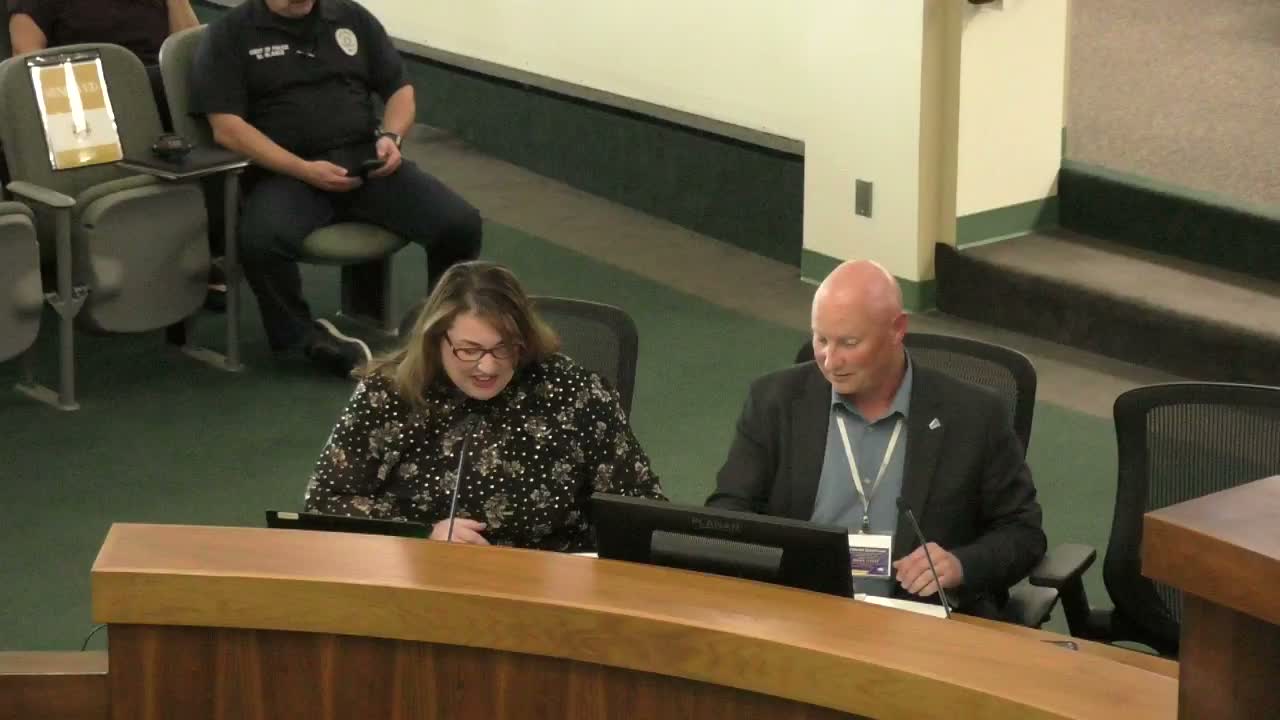
"The budget, as currently proposed, represents a $5,000,000 deficit for fiscal year 27 and a $5,300,000 deficit for fiscal year 28," said Stacy Sullivan, the city’s finance manager, during a committee presentation. Sullivan said higher personnel costs, rising insurance premiums and lower sales-tax receipts are the main drivers of the gap.
Sullivan and other staff laid out a package of largely one-time measures intended to reduce the immediate shortfall without cutting personnel: reallocating property and facility insurance costs to the funds that own the assets (which staff estimate would free roughly $1.7 million for the general fund over two years); drawing $1.2 million from the city’s 115 trust in FY27 and $1.14 million in FY28; and using the economic uncertainty reserve to cover the roughly $2.5 million sales-tax shortfall the city experienced since adoption of the last budget.
"If we were to get approval to proceed forward with that recommendation, that further reduces our deficit to under $500,000 for fiscal year 27 and then approximately $800,000 for fiscal year 28," Sullivan said, summarizing staff projections after the recommended one-time moves.
Staff attributed the drop in sales-tax receipts largely to declines in autos and transportation categories and to online sales leakage, which reduce the local tax base when purchases are shipped from outside the city. Sullivan told the committee sales taxes fell about 10% (approximately $2.5 million) since the FY25–26 budget was adopted.
Committee members pressed staff on insurance structure and risk exposure. Treasurer Bradley asked whether the city is effectively self-insured for many losses; staff responded that the city runs a self-funded liability program with a $1,000,000 retention and excess layers above that to cover catastrophic losses.
An internal accounting correction discovered during line-by-line review also trimmed the immediate gap: staff said an IT item originally charged to the general fund should have been paid from asset forfeiture, creating an $84,000 saving that reduces the year-one shortfall to roughly $50,000 before other recommendations are applied.
To help address inequities in park funding, staff proposed a temporary two-year pause on a 2023 resolution that assigned park-lease revenue exclusively to parks and instead allow current park-lease receipts to offset the general fund deficit. Staff also recommended establishing an annual $25,000 discretionary fund for the mayor and each of four council districts; staff warned that the discretionary fund would slightly increase the deficit (about $135,000 in FY27 and just over $500,000 in FY28) but said existing lease balances and district reserves would remain available for local projects.
City staff emphasized the one-time nature of the package and urged the city not to add permanent general-fund obligations without secured offsets. "This is a temporary approach. This is not a long term solution," Sullivan said, noting staff will continue to seek sustainable revenue increases before the second year of the biennium.
Chair Most said the committee had no further questions and directed staff to carry the recommendations to the full city council workshop on May 18 for further review. No formal committee vote was recorded; committee members signaled consensus to forward the proposal.
The committee also received related financial briefings on portfolio performance and a sales-tax update during the meeting; staff noted the city’s blended investment yield and described a pavement management plan that may lead to future infrastructure spending proposals. The next regularly scheduled finance committee meeting was announced for Oct. 28, 2026.