Get AI Briefings, Transcripts & Alerts on Local & National Government Meetings — Forever.
Advocates urge restoration of Homeless Assistance Program funding; some say Senate already added appropriation
Loading...
Summary
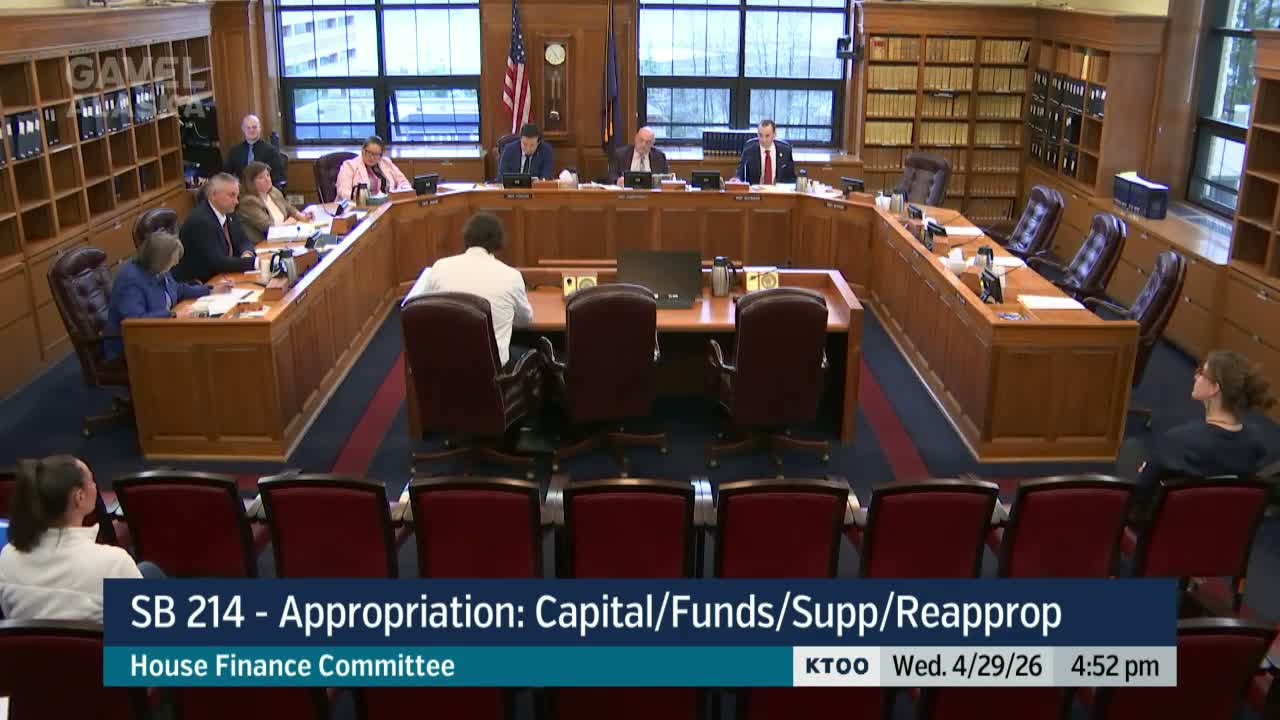
Service providers, advocates and shelter directors from across Alaska told the House Finance Committee that cutting HAP would destabilize shelters and prevention services; many asked the committee to maintain FY '26 funding of $10,150,000.
Multiple shelter directors, advocacy groups and service providers told the House Finance Committee that the Homeless Assistance Program (HAP) is a flexible, essential source of funding that supports emergency shelter, domestic-violence housing, youth services and homelessness prevention across rural and urban Alaska.
Brian Wilson, executive director of the Alaska Coalition on Housing and Homelessness, said HAP funds more than 30 providers in 14 communities and urged the committee to "maintain funding for HAP at the previous year's level of $10,150,000." He described the program as especially important for winter shelter demand, landlord engagement and housing stabilization.
Brenda Stanfield, executive director of the Alaska Network on Domestic Violence and Sexual Assault, described an Empowering Choice Housing Program (ECHIP) voucher and a next-generation stabilization program that expands long-term voucher assistance in multiple communities and said flexible HAP funding is essential to move survivors from emergency shelter into long-term housing.
Several other advocates — including Felicia Carpenter (Anchorage), Susan Smith (Brother Francis Shelter, Kodiak), Michelle Snowden (Sitka Homeless Coalition), Brandy McGee (Kenai Peninsula Housing Initiatives), Jessica Parks (Anchorage Coalition to End Homelessness), Crystal Marino (Fairbanks Youth Advocates) and Erin Marotti (Interior Alaska Center for Nonviolent Living) — described HAP as life‑saving and asked the committee to restore or maintain funding. Many speakers noted an amendment in the Senate that, earlier the same day, had restored similar funding in the operating budget; committee staff acknowledged that action during the hearing.
Why it matters: Testimony emphasized that HAP funds are distributed to small and rural providers that rely on the flexibility to pay for shelter operations, utilities, case management, security deposits and other costs that allow people to move from crisis to stability. Witnesses warned that a large reduction (some mentioned a proposed 50% cut) would have immediate service and community impacts.
Next steps: Committee members acknowledged that the Senate had added an appropriation and that ongoing negotiations in the budget process will determine final funding levels. The committee did not take a formal vote during this hearing.