Get Full Government Meeting Transcripts, Videos, & Alerts Forever!
Get email alerts on the Zoning Code Rewrite topic
No spam. Unsubscribe anytime.
Brookfield planning commissioners review sweeping draft rewrite of zoning code
Summary
At a special workshop, village staff walked commissioners through public draft 2 of the zoning code, highlighting new districts, ADU allowances, parking policy choices and proposed map changes including a C‑265 station subdistrict; commissioners asked staff for clarifications on special‑use transitions, lot measurements and heights near residential areas.
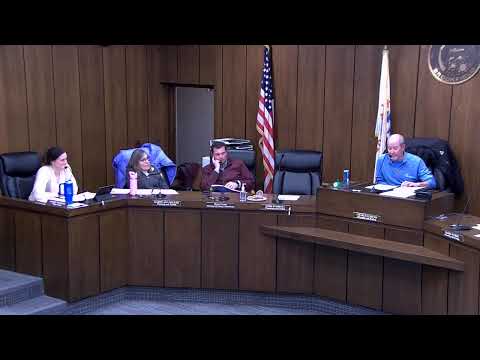
At a special workshop on Aug. 25, the Village of Brookfield Planning and Zoning Commission reviewed public Draft 2 of a proposed zoning code rewrite intended “to implement adopted plans and policies” and to make rules “more predictable and consistent,” staff said.
Presenter Arista, the staff planner leading the session, summarized structural changes to the code and to the zoning map. The rewrite reorganizes the code into introductory articles and district articles, consolidates definitions and measurement rules, and creates new district categories — including a C‑265 subdistrict around Congress Station — to reflect expected station‑area development. “We’re looking to implement adopted plans and policies, creating a much more user friendly structure, making things more predictable and consistent,” Arista said.
Why it matters: staff and commissioners said the overhaul is meant to align the zoning code with recent plans and to reduce the need for discretionary approvals. The draft treats short, older lots as “traditional lots” (around 3,000 square feet) and provides rules intended to make those existing lots conforming under the new code; it also revises residential district names into an R1–R4 structure and adjusts lot/height rules for downtown and station areas.
Key changes described by staff include:
- Uses and ADUs: Article 9 uses are consolidated into a global matrix; accessory dwelling units above detached garages are explicitly allowed in certain locations. Arista said the language was refined so detached‑garage ADUs are feasible where appropriate.
- Commercial and station‑area rules: the draft creates distinct commercial district types (C1 neighborhood, C2 corridor and a C3 gateway) and a C‑265 subdistrict for Congress Station to allow increased height where appropriate. Staff outlined new facade and design‑standards intended for station areas and a new downtown core/transition structure.
- Parking and sustainability: staff left a policy choice on minimum parking for future debate, noting the draft continues “a complete elimination of minimum parking requirements” as an option and calling parking “a big policy issue” for later meetings.
- Signs and materials: the draft integrates the existing sign code (chapter 42) into the zoning code, limits electronic message signs to one per lot, and tightens monument sign sizes in higher‑intensity districts. The draft also lists certain facade materials as limited to incidental use (up to 25%), language staff agreed to clarify.
- Nonconformities and map changes: governmental and educational facilities were proposed to be rezoned to a new Institutional District; staff released a proposed map and an accompanying memo showing equivalencies from current districts to the new districts.
Commissioners asked staff to return with clarifications on several technical and policy items, including how the draft treats previously granted special‑use conditions when a use becomes permitted; whether the online code will have hyperlinks to definitions for lay readers; how gravel walkways and ‘pervious’ surfaces will be categorized for stormwater accounting; and where increased building heights should be limited near single‑family neighborhoods.
Arista told commissioners staff will compile the outstanding questions and the long memorandum of prior comments and bring follow‑up information at a later meeting. The workshop closed without a code adoption vote; staff will circulate calendar dates for further deliberation.