Get Full Government Meeting Transcripts, Videos, & Alerts Forever!
Get email alerts on the Permit Allocation topic
No spam. Unsubscribe anytime.
Kershaw County Council advances permit-allocation system after heated debate, 4–2 on second reading
Summary
After hours of public comment and extended council debate, Kershaw County Council approved a second reading of a two-year building permit allocation ordinance, passing 4–2 with amendments that set a 500-permit cap and phased reductions. Council members said the measure buys time to align growth with infrastructure; opponents warned of harm to local builders.
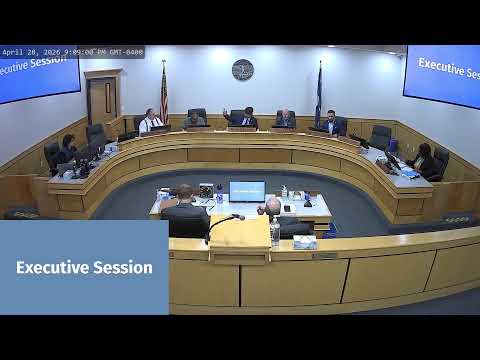
Kershaw County Council on April 28 approved on second reading an ordinance to implement a two-year building-permit allocation system, advancing a package its supporters say will slow rapid unplanned growth. The measure passed 4–2 after an amendment that sets an initial cap of 500 permits and phases percentage reductions over two years.
The amendment, offered by Councilman Derek Shumate, set the first six months of the program at a 500-permit cap with “0% reduction,” then imposed a 15% reduction for the next six-month period and 20% for the two periods that make up the second year. “It would be a 500 cap, which is our historical average. For the first 6 months, there would be 0% reduction,” Shumate said when presenting the proposal.
Councilman Jimmy Jones moved to table further consideration and originally proposed a much longer deferral; Jones said he sought more study and public notice before restricting permit activity. “Let’s just take 10 months. Let’s study it,” he said in arguing for time to work with planning staff and the public. That motion failed; members instead adopted the Shumate amendment and then approved the ordinance on second reading by roll-call vote (Shumate, Tucker, Cato and Tomlinson in favor; Jones and Bridal opposed).
Supporters said the ordinance is a measured, temporary tool while the county pursues more permanent infrastructure and policy solutions. “This is the mechanism the smart growth committee pushed out to do that,” Shumate said, adding the ordinance includes periodic review: the council will reassess the program every six months and the whole package sunsets after two years unless extended.
Opponents — including multiple builders and contractors who testified during the public-comment period — warned the allocation could hurt local small contractors and subcontractors, impose loan and scheduling risks on homebuyers and prompt litigation. Speakers from the Building Industry Association asked the council to delay the measure for stakeholder consultation; one builder said a six-month wait on permitting could force construction loans into costly interest periods.
Council members debated legal exposure and alternatives such as impact fees, minimum lot sizes and special-tax districts. County staff and the county attorney advised that the council can set a timetable for third reading and refine language before final adoption. The council also discussed whether to grandfather certain existing subdivision projects; a later attempt to add sweeping grandfathering language was not carried through as part of the adopted amendment.
The ordinance now moves to a third reading, where councilmembers said additional technical edits and clarifications — including mechanics for exemptions and implementation timelines — may be addressed. Supporters framed the ordinance as a short-term tool to preserve infrastructure capacity while longer-term solutions are developed; opponents asked the council to ensure protections for builders with existing financial commitments.
Action: Second reading (as amended) passed 4–2. Third reading will be scheduled at a subsequent regular meeting.