Get AI Briefings, Transcripts & Alerts on Local & National Government Meetings — Forever.
Local attorney outlines guardianship, powers of attorney and alternatives for parents as children turn 18
Loading...
Summary
At a Solon parent seminar, Allison of Reminger explained steps parents can take when a child turns 18: execute health-care and financial powers of attorney with HIPAA releases, consider STABLE accounts to protect SSI eligibility, and, if necessary, pursue guardianship through Cuyahoga County probate court.
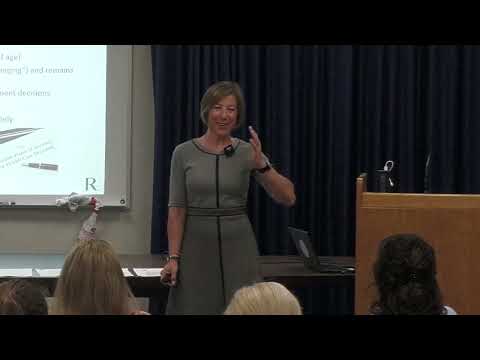
Allison, chair of Reminger's elder law and special needs planning practice group, told a Solon audience that parents should prepare powers of attorney, HIPAA releases and other less-restrictive tools before considering guardianship when their children turn 18. The seminar was led by Shana Arnold, the new parent mentor in Solon.
"All the things we're gonna talk about happen on the eighteenth birthday or after. Nothing can be done before our kids reach the age of 18," Allison said, explaining that legal capacity and timing determine whether a power of attorney or a court-ordered guardianship is appropriate. She framed guardianship as the most restrictive option, used only when a probate court determines an adult lacks the capacity to make decisions.
Allison distinguished two common alternatives: health care and financial powers of attorney. A health care power of attorney, she said, is often "springing"—the adult makes medical decisions unless a doctor determines incapacity—while also being durable for long-term incapacity. She advised attendees that Ohio's health care POA includes a HIPAA authorization that allows providers to release medical information to designated agents and that hospitals and clinics will typically require the signed document to restore portal access.
"MyChart closes. Closes. 100%," Allison said, responding to a parent who asked about electronic patient portals, and added that a valid HIPAA release or POA is the reliable way to regain access when a child turns 18 and still needs family support.
On financial matters, Allison said financial powers of attorney are effective on signing and can include special instructions such as releases for educational records or digital-assets access (passwords and accounts). She cautioned that Social Security benefits are handled differently: "Social Security doesn't recognize powers of attorney," Allison said, and parents who need to manage SSI or SSDI must pursue Social Security's representative-payee process.
Allison walked through other practical details: STABLE accounts (Ohio's ABLE program) are not counted toward the $2,000 SSI resource limit and currently allow up to $20,000 in annual contributions; Ohio's statutory power-of-attorney forms (current versions cited from about 2021) are available online and in the packet she provided.
If an adult cannot sign a POA, Allison explained, the guardianship process begins in probate court and requires a statement of expert evaluation from a doctor (the doctor's opinion must generally be dated within 60 days before filing). The court provides notice to next of kin, may require investigator contact and a hearing (often scheduled about 30 days after filing), and gives the alleged ward rights to counsel and to contest the petition. Guardianship can be full or limited (for example, restricting contracting authority for someone with compulsive spending) and may separate guardianship over the person (medical decisions) from guardianship over the estate (financial decisions).
She also reviewed administrative requirements for guardians: background checks and fingerprinting, annual guardian reports and plans, inventory and court-supervised accounting for estate guardians, and bond requirements for guardians who manage significant assets. Allison noted county-by-county differences in training and reporting; for example, Cuyahoga County may require filings or reports on a two-year cycle.
To close, Allison urged families to consider less-restrictive options first—chosen representatives for those receiving DODD services, POAs with appropriate releases, representative payees for Social Security benefits and special-needs trusts—and pointed attendees to resources from Disability Rights Ohio, the Developmental Disabilities Council and the Ohio State Bar Association. Shana Arnold thanked attendees and closed the session.
The seminar included time for attendee questions about cross-state validity of forms, MyChart access and practical steps if parents or alternate agents become unavailable; Allison advised reviewing and updating documents periodically and adding successor agents as needed.