Get Full Government Meeting Transcripts, Videos, & Alerts Forever!
Get email alerts on the Utilities topic
No spam. Unsubscribe anytime.
Crossville council approves nonbinding fact‑finding resolution with water authority after public objections
Summary
Council approved a nonbinding initial resolution to begin discussions with the Crossville Public Water Authority (CPWA). Public commenters urged the item be pulled, raising concerns about notice, sovereignty of city assets and the potential need for a referendum; the city attorney clarified what would legally trigger a binding referendum.
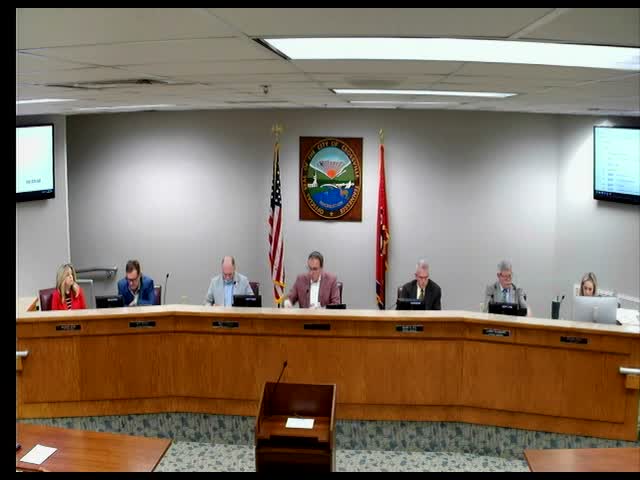
The City of Crossville council on a recorded vote approved an initial, nonbinding resolution to begin talks with the Crossville Public Water Authority (CPWA) over possible partnership options, after public commenters urged the council to pull the item from the consent agenda.
The resolution, described repeatedly by the mayor as nonbinding, authorizes staff to gather facts and begin exploratory conversations with CPWA but does not transfer money or assets, the mayor said. “Again, it’s nonbinding — no money or assets. Simply the first step in having a conversation,” Mayor RJ Cropper said.
Why it matters: the item drew sustained public comment from residents who said the agenda description did not reasonably notify the public and argued the council should not consider actions that could affect Meadow Park Lake or utility ownership in an election year. Randall Kidwell told the council that the consent‑agenda description (item 26‑01105) did not satisfy the Tennessee sunshine law’s notice requirement and urged members to pull the item and vote it down.
Kidwell said, “This resolution should be for the next city council to resolve,” and warned that the water authority was attempting to ‘‘force Crossville into making a bad decision based on an election cycle.’’
City Attorney Randy said the resolution as presented is nonbinding but explained when a referendum would be required: “If it involved the sale of any assets of the city, then, of course, we would have to put that in the paper. If more than 10% of the voters objected, then you would have to have a referendum.” He added that whether publication or a referendum is triggered depends on the transaction’s scope.
Council discussion focused on caution and fact‑finding. Council members noted the item was intended to gather information and that any sale or transfer of assets would trigger public notice and potential voter action. Former utility commissioner Steve Stone, speaking in public comment, urged the council to put ratepayers’ interests first and thoroughly examine any merger or asset transfer.
The council approved the initial resolution by roll call (the motion carried); the mayor announced the motion carried following the vote. The resolution does not authorize any sale or transfer of assets, and any future action that would constitute a sale or transfer would require additional legal steps and public notice, the city attorney said.
Next steps: staff will compile information and continue fact‑finding with CPWA. Any proposed sale or formal transfer would require separate council action and, depending on the scope, might trigger publication requirements and a referendum under state law.