Get Full Government Meeting Transcripts, Videos, & Alerts Forever!
Get email alerts on the Airport Hangar Rates topic
No spam. Unsubscribe anytime.
Winnebago County committee delays overhaul of airport hangar rates after tenants press concerns
Summary
After an extended public comment period in January, the Facilities & Property Management Committee voted to lay over proposed changes to Chapter 21 (hangar rents, land rental rates and fuel flowage) to allow additional review and comparative analysis.
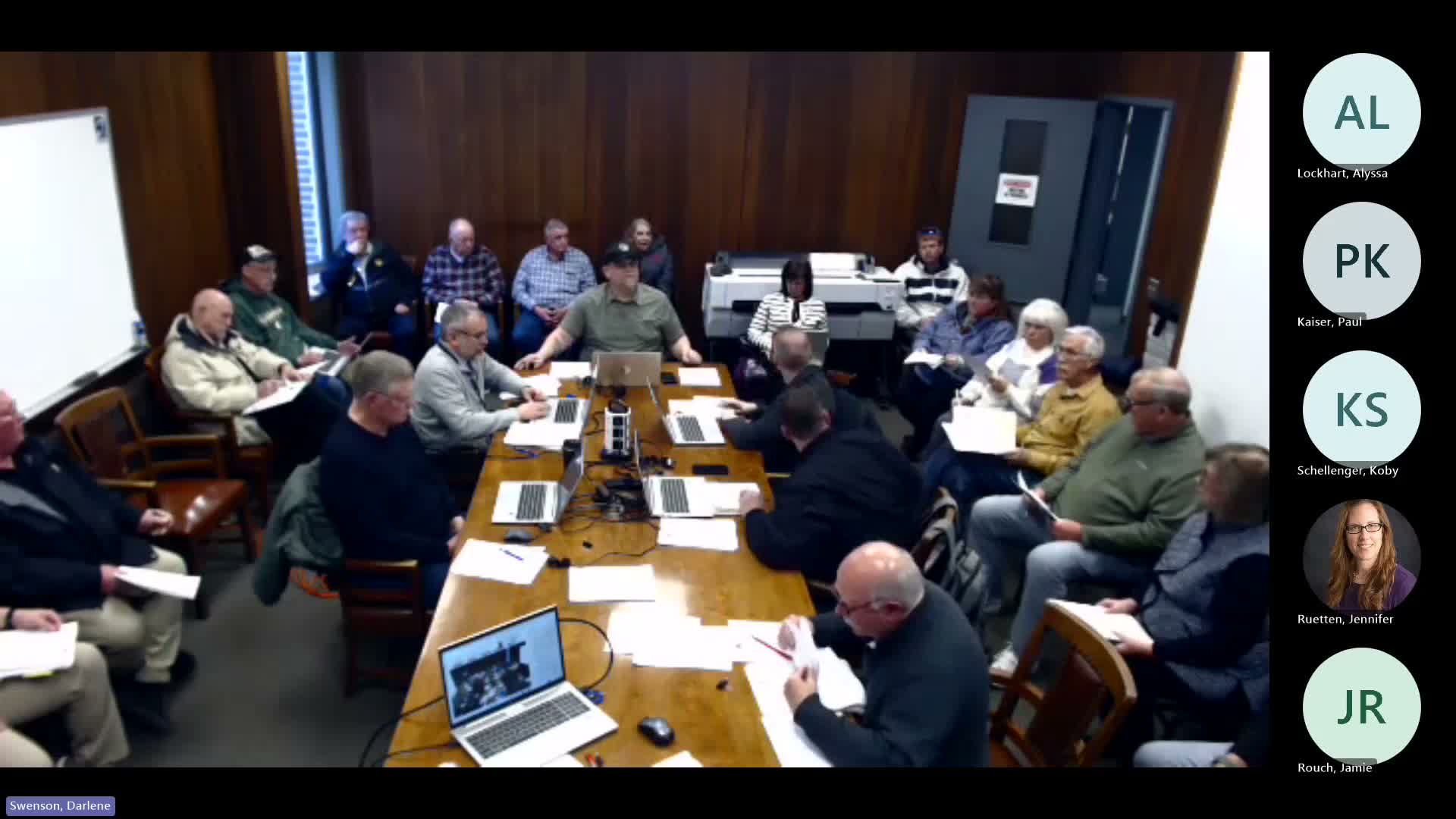
The Winnebago County Facilities & Property Management Committee on Jan. 20 laid over consideration of an ordinance update that would increase hangar rents, adjust land rental categories and raise fuel flowage fees, after tenants and supervisors pressed for a professional review of the consultant’s market study.
Dozens of hangar tenants and pilots addressed the committee at the start of the meeting, arguing the Aviation Business Solutions report paid $23,500 and relied on metropolitan comparables that do not reflect local conditions. Fred Savage, a county hangar tenant, said the airport is a public amenity and warned against shifting costs to pilots while pointing to fuel prices he said are “ridiculous” (he cited $20.99 a gallon at Winnebago County). Larry Lansko, who has leased a county hangar since 2011, called the proposed increases arbitrary and urged a modest 8% rise rather than the 27%–47% changes some tenants saw in initial proposals.
Airport Director Jim Schell presented the ordinance package and the budget rationale: the update would reprice 11 hangar types, several land rental classes and increase the fuel flowage fee from $0.10 to $0.15 per gallon. Schell said updated rents would add roughly $62,899 annually and the fuel flowage change would yield about $40,000, together reducing the airport’s levy reliance by roughly 6–10.5 percent of a roughly $950,000 deficit. He noted recent hangar construction (20 units at roughly $4.3 million) and that payback periods for new hangars remain long even at higher rents.
Supervisor Thomas, who identified himself as an MAI appraiser, urged the committee to commission a review appraisal and cited professional standards concerns with the consultant’s report. He moved an amendment to order a review and postpone consideration; members debated whether to pay for an external review or run an in‑house comparison using the General Services Administration (GSA) formula and existing county tools.
The committee ultimately voted by voice to lay the ordinance over until the next scheduled meeting (the chair and several supervisors said staff will try to return comparative numbers within 30 days or by the next meeting). No formal amendment to adopt the ordinance was approved at the session.
Why it matters: The update affects about 94 hangars and multiple revenue streams, and officials said the changes would be one piece of a three‑leg plan (fees, cost reductions and economic development) to reduce the airport’s dependence on county levy dollars. Tenants said deferred maintenance and local utility/fuel prices should be accounted for before raising rates; supervisors asked staff to produce clear, explainable comparisons that tenants can review before a final vote.
Next steps: The committee directed staff and the airport director to prepare comparative numbers (including a possible GSA‑based formula and an in‑house analysis) and to return to committee at the next meeting for further debate and a possible vote.