Get Full Government Meeting Transcripts, Videos, & Alerts Forever!
Get email alerts on the Environment Pfas topic
No spam. Unsubscribe anytime.
Winnebago committee hears presentation on PFAS litigation and retainer terms
Summary
A presenter told the Winnebago County Judiciary and Public Safety Committee that national plaintiff firms are offering to pursue PFAS claims tied to firefighting foam; the firms propose contingency fees and would front soil testing costs, the presenter said. The committee discussed timing and whether to route a resolution through committee before a county-board vote.
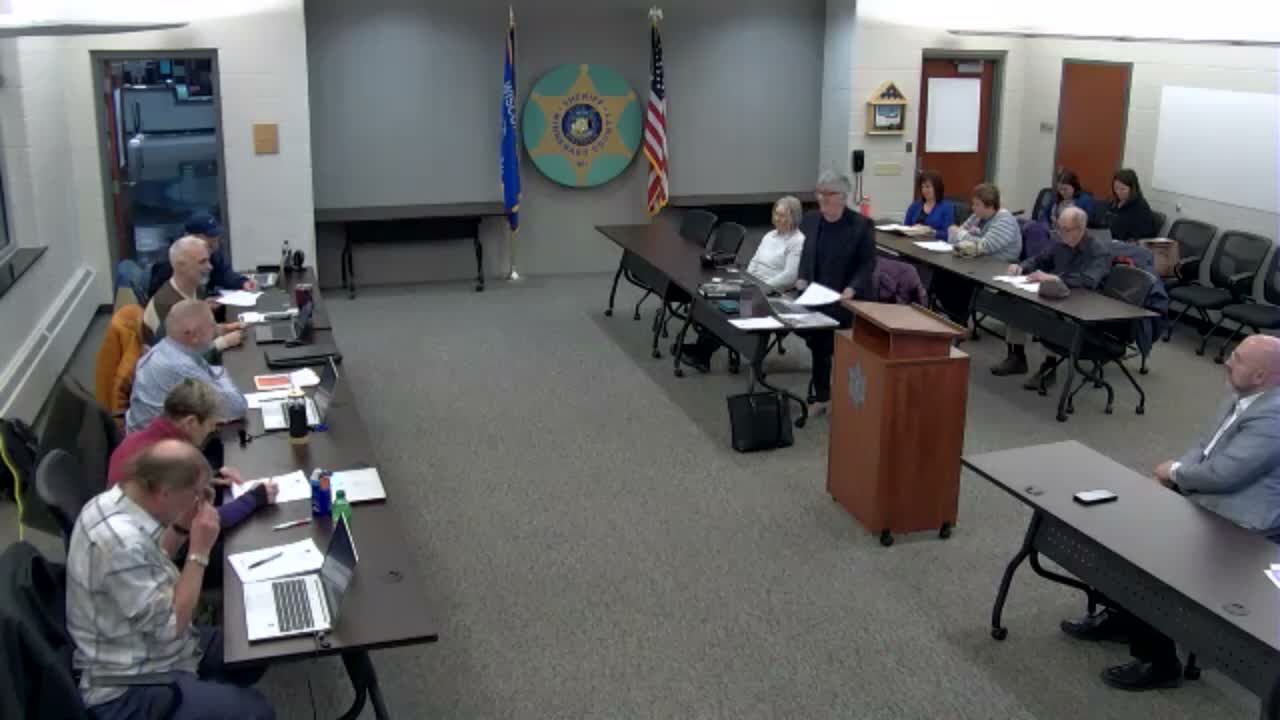
At the May 5 meeting of the Winnebago County Judiciary and Public Safety Committee, a presenter described a national campaign to pursue litigation tied to PFAS contamination from aqueous film-forming foam and asked the committee whether the county wants to consider joining.
The presenter said firms including Baron and Budd and other plaintiff firms are coordinating a multi-district federal case and are offering to front expert and deposition costs and to be paid on contingency. "They would get 25% of gross recovery," the presenter said, adding that in the proposed split about 80% would go to the lead firms and 20% to Atollis, identified in the presentation as local counsel for Wisconsin counties.
Why it matters: committee members pressed for specifics about potential monetary relief and next steps. The presenter said the essential first step would be to test soil at county properties such as the airport; if PFAS is confirmed the county could be joined to the federal action. "You need to confirm there's PFAS in the soil so the soil would have to be tested," the presenter said.
Committee members asked whether the firms would pay for testing. The presenter said they would front those costs. He also told the committee the firms have recovered large sums for other clients and that the presentation would go to the full county board the following day; if the county chooses to sign a retainer it would then need to be routed for a formal vote.
What the committee discussed: members debated whether the committee should review the proposed retainer and resolution before the county board votes. One member said running the proposal through the committee would give members an opportunity to check details before a broader board discussion; others noted timing pressures and that the board presentation could be scheduled quickly.
What wasn't decided: the committee received the informational presentation but did not take a final vote on whether to retain counsel or to authorize soil testing. The presenter said he planned to bring a formal resolution to the county board after the informational session.
Next steps: committee members were told the county board would see the firms' PowerPoint the next day and that a formal vote could be scheduled thereafter, with committee review recommended if the board asks for input.