Get Full Government Meeting Transcripts, Videos, & Alerts Forever!
Get email alerts on the Water Supply Meadow Park topic
No spam. Unsubscribe anytime.
Crossville officials press federal, state regulators on Meadow Park dam, costs and regional options
Summary
City leaders and state and federal regulators met in Crossville to review permitting steps for raising or building a Meadow Park Lake dam as a new water source, estimated costs (~$50 million), mitigation timelines and how joining a regional water authority could spread ratepayer costs.
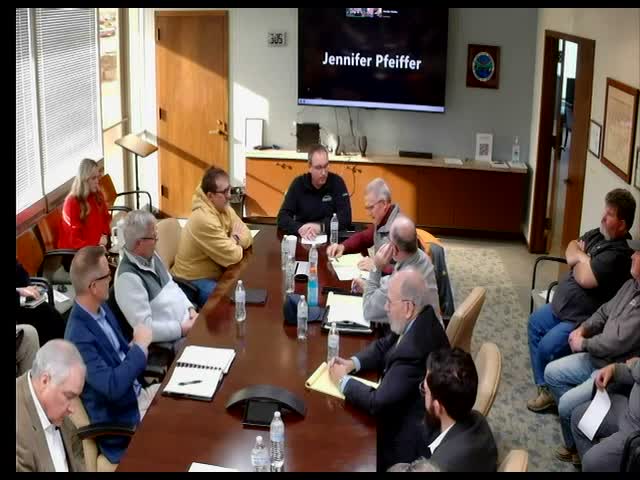
Crossville council members and regional water officials on Friday pressed federal and state regulators about the permitting, costs and timeline for a potential Meadow Park Lake dam project to supply the city’s growing water needs.
A council member opened the session by asking what TDEC and the U.S. Army Corps of Engineers considered the least environmentally harmful and most feasible future water source for Cumberland County. TDEC staff said the answer depends on a formal alternatives analysis submitted as part of a permit application and that, among concepts discussed, expansion of Meadow Park Lake or a new dam is the project currently most fully developed.
The Corps’ representative, identified in the meeting as Mr. Ehorn, declined to pre-commit to approval and said federal review follows the 404(b)(1) and NEPA framework. “So we can’t make a, like, a firm yes or no commitment because there is a process to go through,” Ehorn said, emphasizing that the agency evaluates alternatives to identify the least environmentally damaging practical alternative before making a decision.
Why it matters
City officials and the Comptroller’s office said the project’s roughly $50 million price tag would be a substantial ratepayer burden if the city funds it alone. The mayor warned the estimated cost could produce a roughly 140% increase in water rates over multiple years for existing ratepayers if Crossville pursues the project without regional partners or outside funding. Council members asked whether merging with the regional water authority or pursuing state and federal grants could reduce that impact.
Funding, regionalization and eligibility
Speakers from TDEC and the Comptroller’s office described a longstanding state policy favoring regionalization to gain economies of scale, better loan terms and possible grant or principal-forgiveness opportunities. Officials said some funding programs, including certain ARP-era incentives, have favored regional projects, but eligibility varies by program and by project type. Raising an existing dam and building a new dam can be treated differently for program eligibility, and project type may affect access to state revolving funds or other federal programs.
Consultants advising the city said they are about 80–85% complete on an alternatives analysis for raising Meadow Park Lake and that the city has received three acceptable proposals from mitigation contractors. The first phase — a mitigation plan prepared by the contractor and incorporated into the Department of the Army permit application — would take roughly six months to prepare, the consultants said, and would be released for public notice.
Agencies urged a dual approach
Multiple participants urged Crossville to proceed on parallel tracks: continue developing the permit application for Meadow Park Lake while also pursuing regional studies and potential funding partnerships. “Let’s go ahead and try to get something done at Meadow Park Lake,” one consultant said, while other speakers warned widening the project scope to include multiple counties or additional creeks would complicate and lengthen review.
Project constraints and other candidate sources
Officials said projects such as Clear Creek and Daddy’s Creek face substantial federal and state protections — including wildlife-management designations and endangered-species concerns — that could require an Environmental Impact Statement and make them costly and time-consuming to pursue. Agency staff said they had not seen any immediate regulatory 'deal breakers' for Meadow Park at the pre-application stage but reiterated that final determinations hinge on the complete permitting record and public comment.
Next steps
Consultants offered to share the draft alternatives analysis with regulators and asked the public-notice process to capture any additional alternatives. TDEC and Corps staff explained that public comment helps identify missing information or overlooked alternatives but does not guarantee any outcome. The city will consider whether to authorize sharing the draft analysis, proceed with the mitigation-plan work, and continue exploring regional partnership and funding options; no formal vote or action was taken during the work session.
Participants and sources
Attendees included Crossville Mayor RJ Crawford; council members Mark Fox and Mark Turner; city attorney Randy York; state and federal representatives including David Salyers (TDEC) and the Corps’ representative (Mr. Ehorn); Comptroller’s office representatives on site and by Zoom; consultants with Wofford Engineering and mitigation contractors; and representatives of the regional water authority. No members of the public registered for comment during the session.
The work session concluded with officials agreeing to continue conversations and giving the city staff authority to share draft materials for review.