Get Full Government Meeting Transcripts, Videos, & Alerts Forever!
Get email alerts on the Sb172 Rail District topic
No spam. Unsubscribe anytime.
Sen. Heinrichson’s rail district bill clears committee despite $333 million build estimate
Summary
Senate Bill 172, proposing a rail taxing district, was approved 4–3 by the Appropriations Committee after sponsor Sen. Heinrichson said initial buildout could cost approximately $333 million and recurring maintenance could be $25–35 million; committee members debated geographic inclusion and long-term costs.
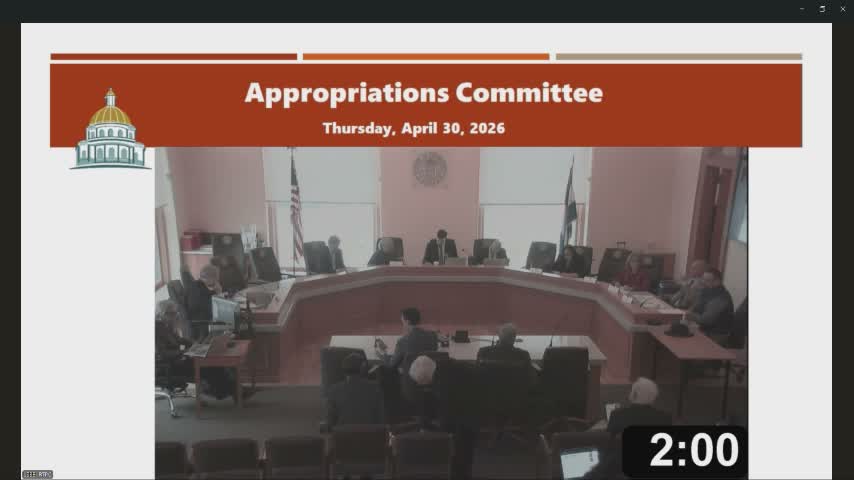
The Senate Committee on Appropriations narrowly approved Senate Bill 172, a measure to create a rail taxing district, after questions about the program’s likely upfront and recurring costs.
Sponsor Sen. Heinrichson told the committee that an estimate for building out the rail system is "in the vicinity of $333,000,000" and that recurring rail maintenance and access costs could be "25 to 35,000,000." Committee members asked follow-up questions about which municipalities or areas would be included; Heinrichson said that if the committee report is adopted, Northland would not be included though it was in the bill’s introduced version.
Senator Liston and other members pressed for a ballpark figure to help conceptualize the project’s scale; the sponsor said the $333 million figure is an upfront build estimate and highlighted additional recurring costs. After discussion, the committee recorded a roll-call vote and passed SB 172 by a 4–3 margin.
Why it matters
If enacted, SB 172 would enable creation of a rail taxing district with large initial capital needs and recurring maintenance obligations. The committee debate focused on fiscal scope and the district boundary—decisions that affect local taxpayers and future project approvals.
What’s next
The bill advances from committee with a narrow majority; further floor consideration and fiscal analysis will be important for funding and boundary decisions.