Get Full Government Meeting Transcripts, Videos, & Alerts Forever!
Get email alerts on the Caregiver Support topic
No spam. Unsubscribe anytime.
Mosaic Family Health briefs ADRC on RCI REACH caregiver program for Winnebago-area families
Summary
Mosaic Family Health presenters described the RCI REACH caregiver program — a no-cost, evidence‑based, one-on-one support program for caregivers in Outagamie, Winnebago, Waupaca and Calumet counties — including eligibility, session structure, referral paths and outcome data reported by program staff.
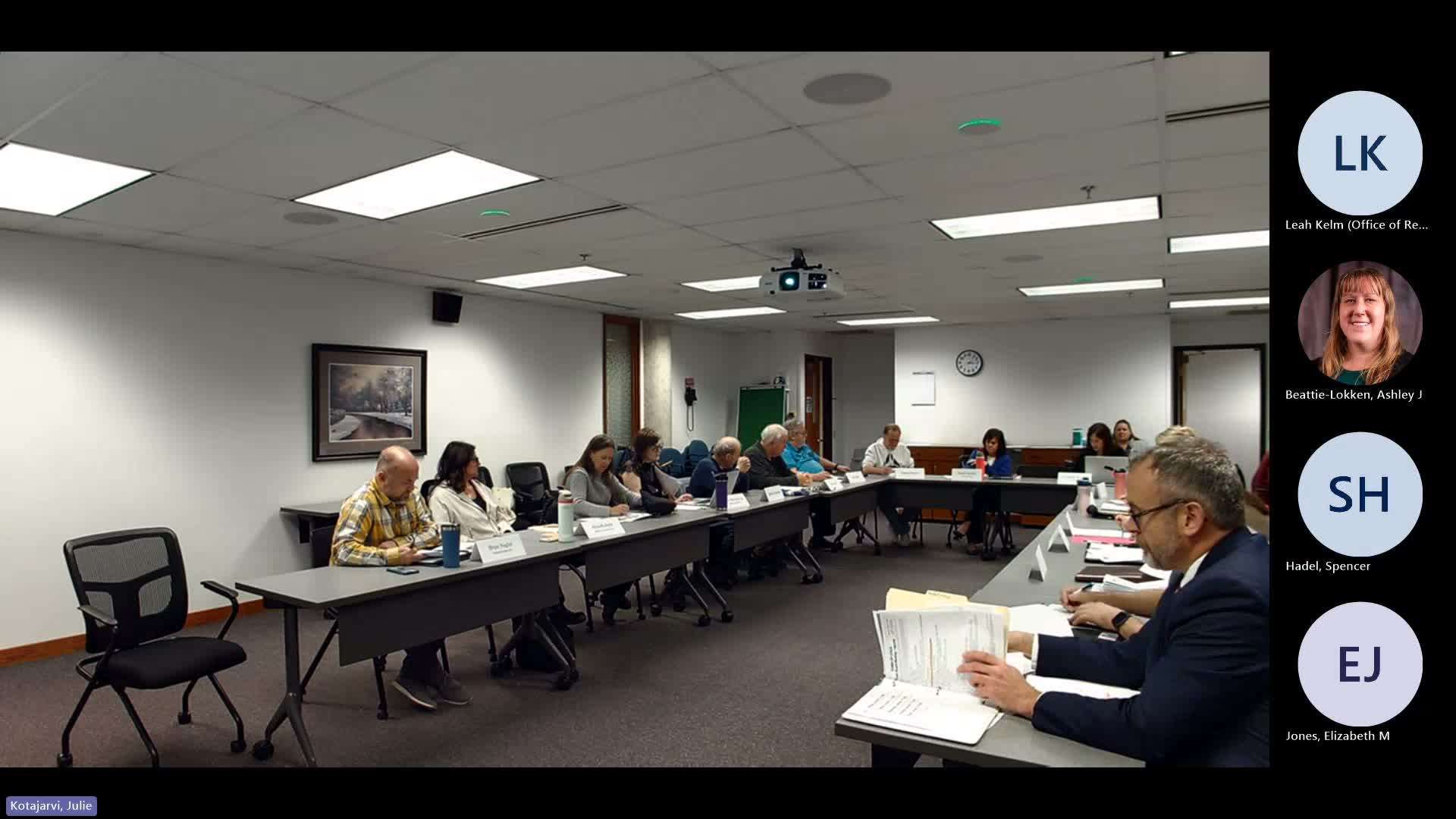
Presenters from Mosaic Family Health told the Winnebago County ADRC committee about RCI REACH, a caregiver support program aimed at people caring for relatives with memory loss and related conditions. "I'm Jackie. I'm the care coordinator, at the Mosaic," said Jackie, the Mosaic care coordinator, opening the presentation and thanking the committee for the invitation.
The presenters traced REACH’s local history to a 2017 pilot by the Rosalind Carter Institute and said Mosaic took over the program in 2018. They said the program is available to caregivers regardless of Mosaic patient status and — because of county and community foundation support — is provided at no cost to participants. "You do not have to be a patient of Mosaic to receive services," Jackie said.
Presenters outlined program structure and eligibility. REACH is typically delivered as 12–15 one-on-one sessions over roughly six months to a year, with some meetings by phone or Zoom. Sessions focus on caregiver and care-recipient safety, problem solving and emotional health. Presenter staff said REACH is intended to give caregivers skills so they can continue in-home caregiving when feasible. "It's all a one-on-one program, so very specific to them and their current needs," a presenter stated.
They distinguished REACH from a shorter 'caregiver coaching' option for caregivers who need targeted, brief help: coaching typically runs one to three sessions to address a specific concern (for example, driving safety or connecting to a memory clinic), while REACH is longer and more structured.
On referrals and access, presenters said anyone can self-refer by calling Mosaic; community partners and dementia-care specialists also refer people. The team described a pandemic-era 'Mary Poppins' kit of practical tools (timers, whiteboards and similar items) that can be left with caregivers for short-term use between sessions.
Program results presented by Mosaic staff showed improvements on self-reported measures: caregiver burden decreased by about 14 percent, depression decreased by about 32 percent, distress from bothersome behaviors decreased by about 26 percent, and caregiver confidence increased by about 16 percent between program intake and completion, according to the presenters. A committee member asked whether completing assessments is a condition of participation; presenters said assessments are introduced at the initial consult, participants are informed in advance that evaluation data will be collected, and that data are shared only with appropriate resources.
Presenters reported local activity for Winnebago County during 2022–2025, stating approximately 67 unduplicated caregivers were served through REACH and caregiver coaching combined. The transcript records a figure for sessions in Winnebago County as "$345.01," but the presenters' intended dollar amount was unclear in the record and is not reported here as a verified value.
The committee asked about support-group logistics; presenters said the monthly family caregiver support group meets the third Wednesday from 10 to 11:30 a.m., is open to caregivers from any county, typically attracts about a dozen participants, and can be joined via Zoom when space is requested in advance.
The ADRC committee thanked the Mosaic presenters and agreed the PowerPoint slides can be attached to the meeting packet for members who want to review the materials after the meeting. No formal action or funding decision was taken during the presentation.
What happens next: Mosaic staff said they will provide materials for the packet and continue partnership work with county dementia‑care specialists and ADRC staff.