Get AI Briefings, Transcripts & Alerts on Local & National Government Meetings — Forever.
Baltimore outlines $11.7M plan to replace aging CAD system; officials warn procurement could take years
Loading...
Summary
City IT officials told the Legislative Investigations Committee they have secured about $11.7 million in federal and state funds and $600,000 in FY26 hardware funding to begin replacing Baltimore’s 20-year-old CAD system, while council members pressed for interim protections and frequent procurement updates.
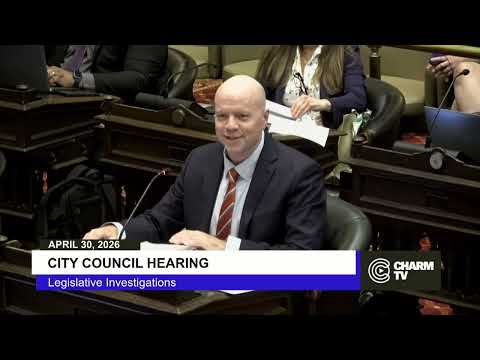
City technology officials told the Legislative Investigations Committee on Thursday that Baltimore has secured roughly $11.7 million in federal and state support and $600,000 in FY26 hardware funding to begin replacing the city’s aging computer-aided dispatch (CAD) system, but cautioned that selecting and implementing a vendor may take years.
"Having a reliable CAD system is a top priority for me and for my colleagues on this city council," Council President Zeke Koon said in introductory remarks. New Chief Information Officer TJ Mayotte told the panel the software is about 20 years old, that BCIT has identified more than 30 systems that must interoperate with a modern CAD, and that those integrations make procurement complex and time-consuming.
Mayotte said the administration has secured $11,700,000 in state and federal funding and $600,000 for hardware refresh in the FY26 budget. "This means that we have approximately $12,000,000 to purchase and implement a new system without using any city funds," he said. He described three cost buckets that will shape final pricing: implementation, first-year licensing, and ongoing sustainment.
Committee members pressed Mayotte on timing. He said the length of a procurement depends on vendor proposals and negotiations and pointed to a four-year example in Denver as an upper-bound case he would not commit to for Baltimore: "I don't think we should be looking at a 4 year turnaround, but that does tell you the rough order of magnitude of what it takes to do this right," he said.
Officials described measures to limit outages while modernization proceeds. Mayotte said BCIT has increased daily monitoring, deployed automated system alerts, trained staff in offline procedures and continued targeted hardware refreshes. He also said the administration has invested $7.3 million in public-safety technology since FY23 and continues to invest in infrastructure: "We have not had a CAD outage...and beyond that, we continue to invest over $20,000,000 in our public safety infrastructure," he said.
Mayotte stressed procurement safeguards: Baltimore-specific RFP requirements, multi-day hands-on vendor demonstrations using city scenarios, strong governance with an executive steering committee and working groups, and iterative user-level testing with call takers, dispatchers, and first responders to validate readiness before any "light switch" cutover.
BCIT chief-of-staff Veil Layman added a sustainment figure: "This year we have a budget of $1,300,000 that funds the sustainment of that system," she said, noting that figure is separate from the $600,000 hardware refresh cited earlier. Council members asked for regular updates; Council President Koon requested notices when the RFP is released, when responses arrive and when a vendor is selected, a request Mayotte agreed to honor.
The hearing included discussion about broadening CAD capabilities to support non-police emergency response paths, accessibility features such as text-to-911 and ASL video chat, and the complexity of negotiating compatibility with in-vehicle equipment. No formal votes or motions were taken at the hearing; the committee went into recess after public testimony.