Get AI Briefings, Transcripts & Alerts on Local & National Government Meetings — Forever.
Princeton HPC urges planning board to confirm no feasible alternatives before approving Crown Castle pole
Loading...
Summary
The Princeton Historic Preservation Commission split over a proposed Crown Castle small-cell pole at Birch and Race streets and adopted a conditional recommendation: it will recommend approval only if the planning board confirms there are no more feasible alternative locations and the pole is sited away from the corner where possible.
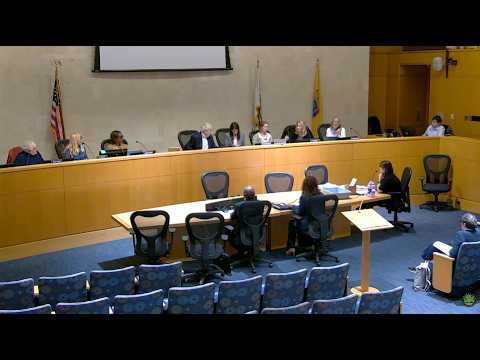
The Princeton Historic Preservation Commission on April 28 stopped short of a straight recommendation for a new Crown Castle small-cell pole at 153 Birch Avenue, instead asking the planning board to confirm that no more feasible alternative locations exist before it approves the project.
At a concept hearing, Lisa Mozi, manager of permitting and utilities for Crown Castle, told the commission the proposed 33-foot wooden pole with a shrouded antenna and matte-black equipment "meets the Secretary of the Interior standards" and is designed to align visually with existing utility infrastructure on Birch Avenue. She said the site was selected after vetting nearby poles and that most existing poles were disqualified because they carry transformers or other equipment that would prevent attachment.
Several commissioners questioned whether a new pole at the prominent corner would unduly affect the district's streetscape and pressed the applicant to explain why municipal park poles or other nearby poles were not viable. "If the pole needs to go in the general location shown, is there any leeway of moving it back from the corner?" one commissioner asked.
Counsel for the applicant and municipal staff said engineering had reviewed options and that federal law requires nondiscriminatory access for small wireless facilities in the public right of way. Commissioners flagged gaps in the record about whether all potential locations had been fully vetted, and some members said they would not vote in favor without additional engineering confirmation.
An initial motion to recommend approval as proposed failed on a 3-4 roll-call split. The commission then voted to substitute a conditional recommendation: it will recommend approval of the preservation plan to the planning board only if the planning board records, at the administrative-waiver hearing, evidence confirming there are no more feasible alternatives in the general vicinity and that, to the extent practicable, the facility be sited away from the corner shown in applicant drawings.
The commission's recommendation will be forwarded to the planning board along with a memo summarizing the discussion and the engineering constraints the applicant cited. The planning board, which has final jurisdiction over the administrative waiver, will take the recommendation under advisement when it considers the application.