Get AI Briefings, Transcripts & Alerts on Local & National Government Meetings — Forever.
Reach Out Yucca Valley warns of rising kratom-derived synthetic tied to local overdoses
Summary
Reach Out Yucca Valley told the Twentynine Palms City Council that a synthetic compound derived from kratom (described as "7‑OH") is appearing in retail products in the Morongo Basin, contributing to treatment admissions and carrying risks similar to opioids; the group urged local awareness and enforcement of state directives.
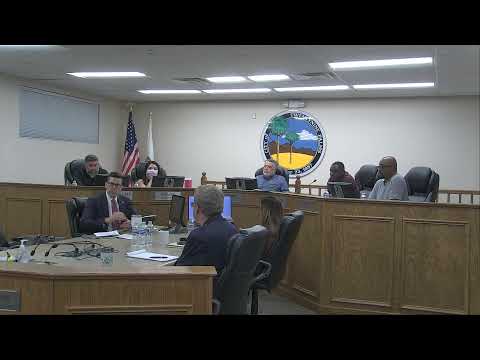
Reach Out Yucca Valley representatives told the Twentynine Palms City Council that a concentrated, commercially marketed compound derived from the kratom leaf — described by presenters as “7‑OH” — is appearing in retail products and in local treatment panels and may pose grave risks to residents.
"This synthetic opioid is available everywhere — gas stations, convenience stores, liquor stores, grocery stores," Carrie Kish, program manager for Reach Out's Yucca Valley office, said during a presentation. She described products sold as energy‑drink bottles, gummies and tablets with widely varying dosages and packaging that can mislead consumers.
Why it matters: Reach Out staff said the local treatment picture has shifted quickly. Danielle Reed, an outreach specialist and 29 Palms resident, said their program recorded 13 new opioid‑related enrollments in an earlier period and 26 in the most recent six months, and that roughly 30 percent of recent new enrollments now involve kratom or the synthetic form being discussed.
Kish said some locally obtained products have produced positive results on fentanyl test strips the group distributes — a finding she stressed is not definitive proof the product contains fentanyl but does indicate a fentanyl‑like response on screening materials. She described patterns of high frequency use (eight to nine doses per day for some users), mixed formulations that include THC, and packages sold in very large quantities online.
The presenters noted the California Department of Public Health has issued directives to retailers and enforcement bodies about products that contain kratom or the synthetic derivative, and that Alcoholic Beverage Control and the Department of Tax and Fee Administration have begun instructing some retailers to remove products from shelves. Kish left informational packets for council and the public.
Council and public reaction: Several audience members described personal encounters — a fifth grader reportedly observed with a kratom product on a school trip and an individual in recovery whose urine screen turned up fentanyl after receiving what they thought was a benign sleep aid. Council members heard the presentation and did not take immediate regulatory action but asked staff to consider enforcement capacity and resources.
What’s next: Reach Out urged the city and local partners to increase awareness, coordinate with county and state enforcement (including ABC and public‑health directives), and support treatment access. Staff noted toxicology and polysubstance use complicate definitive local statistics, and that formal legislative action at the state level was still pending at the time of the presentation.
The council did not vote on an ordinance at the meeting; presenters encouraged continued local monitoring and coordination with county, state, and treatment providers.