Get Full Government Meeting Transcripts, Videos, & Alerts Forever!
Get email alerts on the Land Use topic
No spam. Unsubscribe anytime.
Commission approves temporary permit for three rodeo events after debate over steer‑tailing
Summary
The commission approved a temporary special-use permit (Case DEV26034) for three rodeo events at a Lynnwood site after a public hearing; commissioners debated animal‑welfare concerns and an amendment to ban steer‑tailing failed before the permit passed with conditions including floodplain protections and portable toilets.
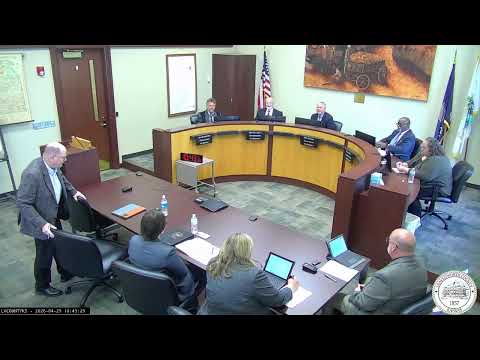
The Board of County Commissioners voted to approve a temporary special‑use permit allowing three rodeo events at 16819 Naphe Road in Lynnwood (Case DEV26034), after a public hearing in which both proponents and veterinarians’ concerns were discussed.
Planning staff summarized the application and recommended conditions, noting the events are proposed for May 23, July 4 and Oct. 10 and could host up to 500 attendees with as many as 200 vehicles and multiple support trailers. Staff recommended standard conditions tailored to the location: removal of any temporary structures placed in the regulatory floodway within two business days if not covered by a floodplain permit, provision of 10 portable toilets (three ADA‑compliant), and that food service be run by third‑party vendors. Staff also noted that a veterinarian would be on call during events and that organizers had committed to complying with state equine statutes, including Coggins testing.
Applicant Ron Lopez said the organizers had prepared the application and that the project manager and team "did a best we could" to address anticipated questions. Project manager Daniel Burgess said they used processes from similar events to streamline the application.
Commissioners pressed proponents on one specific practice — steer‑tailing (tail‑pulling) — after the meeting record included testimony from two veterinarians who said that specific event could cause severe injury. The applicant and a proponent argued that severe injuries are rare and that rodeo events have safety protocols. A motion to approve the permit with an added condition banning steer‑tailing failed on a roll call. A subsequent motion to approve the temporary special‑use permit as presented passed; the transcript shows the outcome but does not include a clear attribution of each individual commissioner’s vote in the excerpt provided here.
Conditions attached to the approval include the staff‑recommended items (floodplain removal timelines, portable‑toilet counts with ADA access, food‑service controls) and whatever additional standard conditions are listed in the staff report. The commission also discussed, and staff noted, the possibility of adding local animal‑cruelty language in a future resolution should the county choose to address particular rodeo practices.
Next steps: The permit is approved with conditions; staff will finalize the permit document and any enforcement or monitoring steps. The commission indicated it may pursue a separate local resolution on animal‑cruelty definitions in future business.