Get AI Briefings, Transcripts & Alerts on Local & National Government Meetings — Forever.
Spokane Plan Commission recommends preferred alternative for Plan Spokane 2046
Summary
The Spokane Plan Commission voted April 14 to recommend a preferred alternative for the Plan Spokane 2046 comprehensive‑plan update, directing staff to pursue greater housing density near transit, more mixed‑use and commercial areas, and expanded employment zones; City Council will consider the recommendation at a later public hearing.
Jackie Johnson of the City of Spokane planning department said the Plan Spokane 2046 comprehensive plan update has reached “a significant milestone, the selection of a preferred alternative,” and that the Spokane Plan Commission voted April 14 to approve the draft and recommend it to City Council.
The preferred alternative is a technical, state‑required step that provides a general vision for future growth and directs staff where to consider permitting different land uses. Johnson said, “A preferred alternative recommended by the Spokane Plan Commission provides general direction for areas of the city to consider allowing greater intensities to support more housing and mixed use development.”
Why it matters: the preferred alternative shapes where the city will prioritize growth and the kinds of development likely to be allowed. Johnson said the proposal before City Council includes increased moderate high‑density housing near major transit lines and in areas with planned capacity, expanded mixed‑use and commercial uses across the city, and zones for increased employment and industrial uses intended to support local jobs.
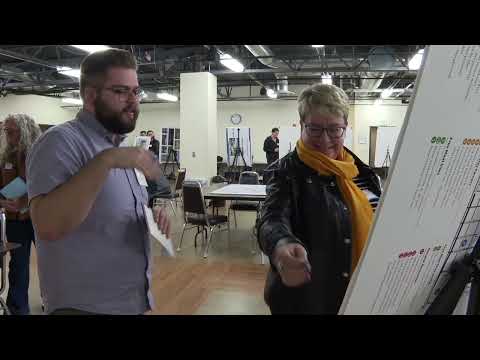
The Plan Commission held a special meeting on April 14 and conducted a public hearing prior to voting to approve the draft preferred alternative; the Commission’s action formally sends the recommendation to City Council. Johnson said a public hearing in front of City Council is expected near May (date not specified). Members of the public can submit comments before that hearing; Johnson directed listeners to spokanecity.org and planspokane.org and said comments received before the public hearing will be forwarded to City Council to assist in decision‑making.
Next steps: if City Council adopts a resolution selecting the preferred alternative, planning staff will move from the map‑level direction to identifying specific proposed land‑use changes for particular areas and properties. Johnson emphasized the distinction between the preferred alternative (a map of general boundaries and direction) and the detailed land‑use proposals staff will prepare: "Once a preferred alternative is selected, the real work begins. That map provides us with the boundaries to consider potential changes to allowed intensities and where to prioritize future growth."
The planning department encouraged continued community engagement as staff develops the future land‑use map and the goals and policies that will implement the Plan Spokane 2046 vision. For more information and to submit comments, the department listed spokanecity.org and planspokane.org as resources.
The Spokane Plan Commission’s recommendation advances the Plan Spokane 2046 update to the City Council, which will consider a resolution to select the preferred alternative and hold a public hearing before any formal land‑use changes are adopted.