Get AI Briefings, Transcripts & Alerts on Local & National Government Meetings — Forever.
Council approves Barber Farm annexation and zone change after contentious public hearing; neighbors cite traffic and school capacity
Loading...
Summary
After several hours of testimony from nearby residents and a valid protest that raised the approval threshold, the Billings City Council approved Annexation 2603 and Zone Change 1078 (Barber Farm) with conditions in the annexation agreement; debate centered on traffic on Central Avenue, school capacity and neighborhood compatibility.
The council held a marathon joint public hearing on Annexation 2603 and Zone Change 1078 (the Barber Farm proposal), which drew large turnout from residents of adjacent county subdivisions (Cloverleaf and Sundance). Applicant representatives described a phased residential community with a mix of low‑density (N2/N3) and some higher residential uses near Central Avenue and added parkland and landscaping buffers to mitigate adjacent county neighborhoods.
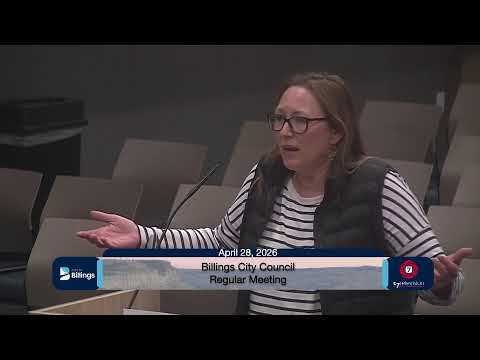
A succession of neighbors and county residents testified in opposition, citing concerns about traffic on Central and Grand avenues, inadequate shoulders and ditches, school overcrowding at Meadowlark and high schools, public‑safety response, and the impact on property values and neighborhood character. Residents also described difficulty with the timing of protest rights and supplied a valid petition that elevated the zone‑change vote to a two‑thirds threshold.
Applicant agent Taylor Kasperic and developer Cal Kunkle said the plan reduced maximum densities from earlier versions, added parkland and removed through‑vehicle connections to the north to address neighbors’ concerns. Staff and the developer noted required transportation improvements (turn lanes, phased intersections) and developer‑funded frontage work to mitigate traffic impacts. Engineers said projected build‑out was likely over 9–12 years, with turn‑lane and other phased improvements implemented as development proceeded.
Council members debated competing priorities: the need for housing and the city’s investments in water/sewer extensions versus near‑term impacts on county roads and schools. After deliberation, the council approved the annexation (simple majority) and the zone change (supermajority, as required by the valid protest) and approved the annexation agreement; one council member recused on conflict, and one voted against the annexation earlier but the majority supported it with the negotiated mitigations.
Why it matters: The vote brings a large parcel into city limits and sets zoning that will allow a multi‑phase residential build‑out over several years. Neighbors will watch implementation of the annexation agreement and the timing of road and safety improvements required of the developer.