Get Full Government Meeting Transcripts, Videos, & Alerts Forever!
Get email alerts on the Children And Technology topic
No spam. Unsubscribe anytime.
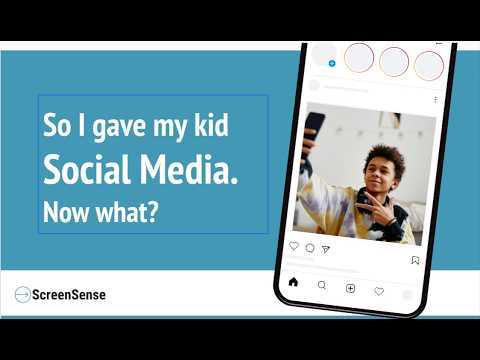
ScreenSense presenters urge parents to delay kids’ social media as California schools prepare new phone rules
Summary
Presenters from parent group ScreenSense told a public meeting that algorithms on apps such as TikTok and Instagram amplify risky content and urged parents to delay children's social media access (recommending until about age 16). They outlined practical home and school steps and highlighted California’s forthcoming requirement that public schools adopt smartphone policies.
A presenter from parent organization ScreenSense told a community meeting that the design of social apps and their recommendation algorithms are the main drivers of harm for children, urging parents to "keep saying no until at least 16, if not longer." The presenters framed the session as focused on content and algorithmic amplification — not just screen time — and offered tips for families and schools.
Why it matters: Presenters argued that algorithm-driven feeds reward engagement and can surface harmful content (eating-disorder material, sextortion attempts and other risky material), exposing young users to both commercial pressures and contact with strangers. A ScreenSense presenter said, "AI is behind everything they're doing right now," and warned that built-in parental controls are often easy for savvy children to circumvent.
What presenters recommended: The group outlined a three-part approach parents can use: protect (remove devices from bedrooms, particularly at night), limit (use location and time-limits, disable notifications, restrict app installs) and coach (talk with children about content, model healthy use). They suggested practical tools—Apple Screen Time, Google Family Link, router schedules and per-device Wi‑Fi shutdowns—and recommended keeping phones in a common area overnight to protect sleep and attention.
Local case study: Presenters described a Mill Valley collective-action effort in which elementary-school parents signed a "phone pact." They reported a follow-up survey showing 37% of sixth graders there had smartphones, compared with a cited national figure of about 57%, and said school staff reported fewer disciplinary incidents and improved grades for that cohort.
Policy context: The presenters noted that a California requirement taking effect July 1 will obligate public schools to adopt some form of personal-device policy. They referenced advocacy for AB 1644, an amendment that would create a 'bell-to-bell' rule (phones off and away from the first to last bell) for K–12. A presenter urged parents who support stricter school rules to contact legislators and administrators.
Resources and next steps: ScreenSense said it offers a packet of resources (including Spanish-language materials), links to technical guides and a suggested reading list that includes Jonathan Haidt’s The Amazing Generation. Presenters encouraged parents to check their children’s accounts, talk openly about what they see online, and organize with other families or school volunteers to shift norms.
The session ended with an extended Q&A invitation and an offer to connect volunteer parents with school leaders and legislators for follow-up action.