Get AI Briefings, Transcripts & Alerts on Local & National Government Meetings — Forever.
Senator urges delay of FISA Section 702 reauthorization, calls for warrants and AI safeguards
Summary
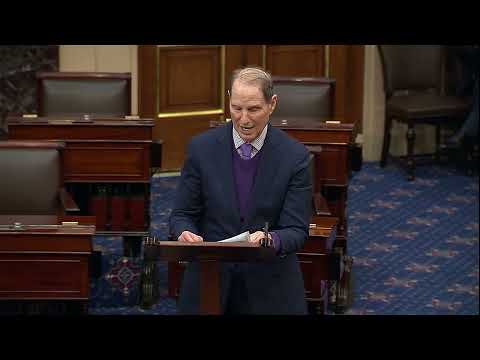
A senator told the Senate it should postpone a vote to reauthorize FISA Section 702 until bipartisan reforms are adopted, urging court‑ordered warrants for searches targeting Americans and warning that artificial intelligence could magnify surveillance abuses.
A senator called on the Senate to postpone a vote to reauthorize FISA Section 702, saying the surveillance authority needs reforms before it can be handed to any president.
The senator said the House recently tried several approaches — a straight reauthorization and two rounds of what it called reforms — and that bipartisan opposition defeated those measures. "If there were the votes today to advance this bill right now, we'd be voting," the senator said, but added the only responsible path is reform.
Why it matters: The senator argued that without stronger safeguards Section 702 enables warrantless searches of Americans' communications, and that recent conduct by the administration shows how those powers can be abused. The senator alleged administration actions including seizures of journalists' records and actions against protesters, and pointed to the Director of National Intelligence's presence at an FBI operation in Fulton, Georgia, as part of the pattern cited.
On legal fixes, the senator proposed requiring court‑ordered warrants to connect searches to Americans, allowing exceptions only in narrow emergencies: "Congress must require court ordered warrants to connect conduct searches on Americans. There ought to be exceptions, but only for emergencies," the senator said.
The senator also warned that artificial intelligence could "supercharge" surveillance by processing massive pools of data to identify Americans for warrantless searches, and urged Congress to adopt new rules that address how AI is used in national security surveillance.
The senator framed the request as bipartisan: "I urge all members to come forward and work in a bipartisan way because security and liberty are not mutually exclusive," and warned that any attempt to "jam this bill through without reforms" would be met with objections. The speech concluded with the senator saying they will "object at every opportunity" if reauthorization proceeds without the changes urged.
Next steps: The senator urged colleagues to use the interim to craft reforms; the transcript records the call to postpone but does not record a final vote or a formal motion adopting the senator's proposals.