Get AI Briefings, Transcripts & Alerts on Local & National Government Meetings — Forever.
District superintendent announces K–8 'away for the day' rule, proposes high‑school 'bell‑to‑bell' limits for cell phones
Summary
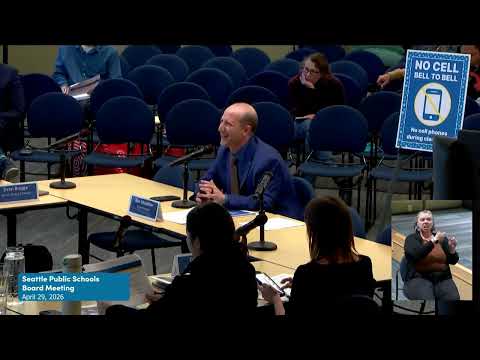
Superintendent Scholdner announced a districtwide cell‑phone procedure: K–8 students will store phones away for the school day and high schools will restrict phone use during class (bell‑to‑bell). The change is a superintendent procedure (no board vote tonight), will allow IEP/medical exemptions, begins Monday for initial implementation and will be evaluated and iterated with principals and staff.
Superintendent Scholdner presented a new district procedure for student cell‑phone use, urging a uniform approach to reduce in‑class distractions. He said K–8 students would be required to keep phones “away for the entire school day,” and high‑school students (grades 9–12) would face classroom restrictions described as “bell‑to‑bell” — phones not in use during class periods but with access during lunch and passing periods under the initial proposal.
Carlos de Vella, district technology lead, told the board the initiative followed 18 months of review across 105 schools, five pilot sites and stakeholder engagement; pilots found that clear, simple and consistently applied rules reduced classroom disruptions. Dr. Rocky Torres Morales summarized research cited in the briefing and noted state literature (cited in the presentation as Senate Bill 5346) and national studies that link device distraction to lower test performance and potential harms such as unauthorized recording and cyberbullying. Scholdner and staff emphasized exemptions for students who require device access for medical reasons or documented IEP/504 accommodations.
On implementation and enforcement, directors pressed for specifics. Board members asked who would enforce rules, whether equipment (Yonder pouches or similar) would be needed, how rules would work with open‑campus lunch and what disciplinary steps would be appropriate when students ignore the rules. Student representatives cautioned that teachers should not be asked to act as police officers and urged clear support structures and consistent discipline protocols.
Scholdner said the cell‑phone procedure is a superintendent procedure (not a board policy) and that he intends to implement it operationally, with principal guidance, communications to families and an evaluation period in May and June to collect implementation data and adjust as needed. He said the district will provide principals with guidance on disciplinary approaches and that the district will not mandate a particular hardware solution to enforce the procedure.
What’s next: staff will support schools with guidance and professional development; the district will evaluate early implementation results and return to the board with findings and possible refinements.