Get Full Government Meeting Transcripts, Videos, & Alerts Forever!
Get email alerts on the School Budget topic
No spam. Unsubscribe anytime.
Montville superintendent, business administrator outline $100M‑plus budget with modest tax increase
Summary
Superintendent Dr. Gorman and Business Administrator Katina Slunt presented the district’s proposed 2026–27 budget — about $100 million with a 1.27% increase and an estimated $134 tax impact on a $542,000 home — and described capital priorities, rising benefit costs and use of a waiver to balance revenues and expenditures.
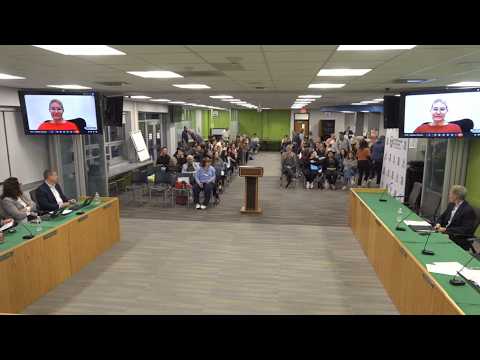
The Montville Township Board of Education opened a public hearing on the proposed 2026–27 budget after a district presentation that highlighted instructional priorities, special‑education expansions and capital work scheduled for next summer.
Superintendent Dr. Gorman reviewed student and program successes the budget is intended to sustain — noting strong college matriculation rates and a wide range of clubs, athletics and arts offerings — and introduced Katina Slunt, the district’s business administrator, to explain the numbers.
Slunt said the district groups expenditures into instructional, support services, administration and operations. Instructional costs rose about 2%; support services increased around 4% largely to expand special‑needs services; administration decreased slightly; and operations funds were earmarked for equipment and improvements. She said the district is budgeting for unit ventilator replacements at Lazar and Valley View and additional interior and exterior repairs in buildings that are, in many cases, more than 50 years old.
On the totals, Slunt said the budget is "about a little more than a $100,000,000" and that the year‑over‑year expenditure increase is roughly 1.27%. She said the average assessed home value used for the board example was $542,000 and that the proposed tax impact on that assessment would be about $134 for the year. To meet expenditures, the district used a state waiver tied to high health‑benefit increases and factored in an increase in state aid.
The board opened the budget hearing to the public and then closed public comment after a brief window; no formal vote to adopt the budget took place during the meeting. The administration said it will return to the board with additional budget documents and will answer questions raised during the public comment period.