Get Full Government Meeting Transcripts, Videos, & Alerts Forever!
Get email alerts on the Records Access topic
No spam. Unsubscribe anytime.
Middlesex board debates policy to remove older meeting videos from public website
Summary
Board members clashed over policy 0168 after older meeting videos were archived and removed from the district website; supporters said removal protects staff, opponents called for restoring archives and urged a policy revision. No formal policy change was adopted.
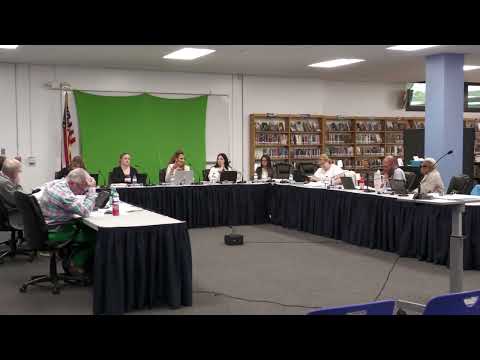
The Middlesex Borough Board of Education spent much of its April 27 meeting debating policy 0168, the district rule that removes audiovisual recordings from the public website once minutes are posted.
Board president opened the discussion by explaining the district’s practice of taking recordings down from the public web after newer minutes are posted and said the recordings remain in district archives and are available by request. "We're not required to post that on our website," the board president said, defending the current approach as a choice to protect staff.
Superintendent (who identified themself during the meeting) framed the issue around staff welfare and administrability, saying staff can feel unfairly judged when only a one‑sided public comment remains online. "People bash me all the time as the superintendent," the superintendent said, arguing the policy helps protect employees from persistent public exposure.
Several board members pushed back, saying the archives are a public record and removing them diminishes transparency. "I would say it's unfair to the public to remove it. I mean, this is a public record," one member said, urging restored access to past videos. Another member pressed that the decision to remove older recordings had the appearance of manipulation and called for returning the videos to the website.
Members also debated whether the removal was recent and whether the board had been in compliance with its own policy. One member said the board discussed the topic in August 2024; others said the recordings were retained off‑site and are available to the public on request under current procedures.
Several participants recommended a measured path forward rather than an immediate reversal: suggested steps included drafting revised policy language, sending proposed language to the superintendent (Dr. Freeman) and the board attorney, discussing changes in the appropriate committee, and then advancing language through first and second readings before adoption. The board president said members should submit suggested language to Dr. Freeman for compilation and attorney review.
No substantive policy change or vote was taken during the public meeting. The discussion closed with members agreeing to pursue policy language revisions through the committee and formal reading process.