Get Full Government Meeting Transcripts, Videos, & Alerts Forever!
Get email alerts on the Annexation topic
No spam. Unsubscribe anytime.
Council asks staff to prepare separate resolutions for two annexation requests, seeks options to limit city staff burden
Summary
After a staff presentation on two annexation petitions covering a total of roughly 18 acres, the council indicated support for processing the requests as two separate resolutions and asked staff to consult the city attorney about requiring applicants to cover consultant costs to reduce staff workload.
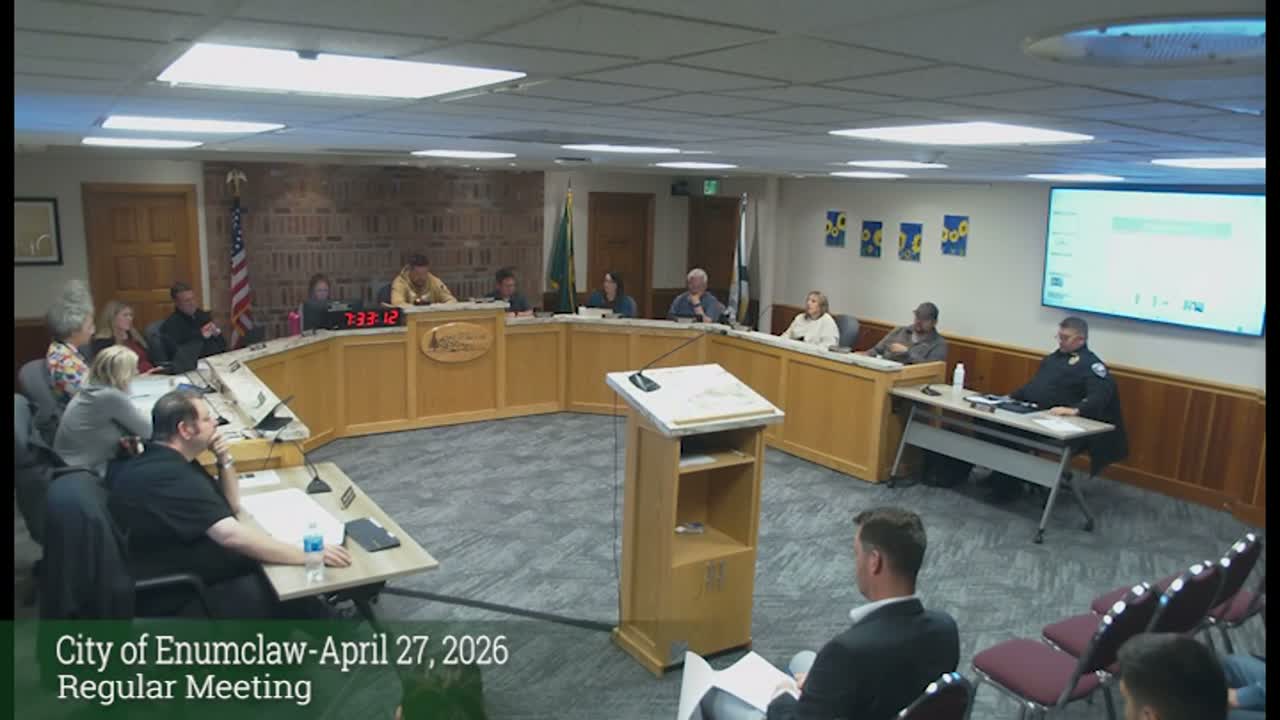
Mayor Anthony Wright introduced a staff presentation on two annexation requests submitted to the city in March. Community Development Director Chris Massenet told the council the petitions cover five vacant, R‑2 residential parcels totaling about 18 acres and that staff recommends modifying the proposed boundaries to add adjacent parcels to create a more regular city boundary and comply with the comprehensive plan.
Massenet said water and sewer service are available to the areas and summarized the legal process: “the most common way is what we call the 60% petition method,” he said, describing the requirement that petitioners secure signatures representing 60% of the total valuation of the area and county verification before Boundary Review Board review. He added that staff can prepare either one combined annexation application or two separate ones and recommended boundary modifications to reduce likely Boundary Review Board changes.
Council members asked procedural and policy questions, including whether the Tarragon parcels by themselves would meet the 60% threshold; Massenet said they would not and that petitioners would need at least one additional owner signature if the area were processed separately. One council member asked staff to consult the city attorney about a condition that would require applicants to pay for a city consultant to run the annexation process, noting the workload would strain current staff: “If it's possible as a condition to amend this … to require payment to cover the expense of a city consultant to run these annexations,” the council member said.
Throughout the discussion members stressed both the potential benefits (access to city police, sewer/water connections, more permissive zoning) and consequences (faster development where utilities exist, reduced local discretion once annexed). The council signaled support—by head nods—for staff to prepare two separate resolutions reflecting modified boundaries and for staff to return with legal guidance from the city attorney about consultant‑funding conditions.
Next step: staff will consult the city attorney and return with draft resolution(s) and recommended conditions; council scheduled further consideration at a future meeting.