Get AI Briefings, Transcripts & Alerts on Local & National Government Meetings — Forever.
Morgan County fiscal court sets 2027 pay rates amid heated objections over raises
Summary
Morgan County fiscal court approved 2027 compensation rates and a separate 2.7% CPI increase for qualified elected officials. The action passed by voice vote but prompted an extended, contentious exchange about whether the court had concealed funds to give itself raises.
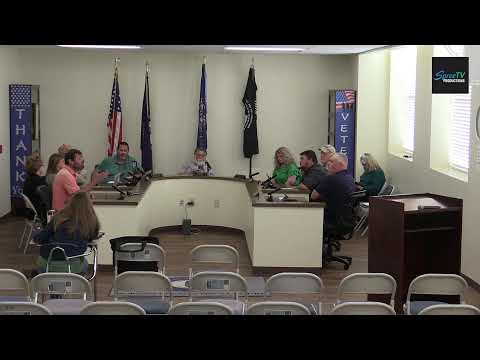
Morgan County Fiscal Court approved new compensation rates for eligible elected officials and a 2.7% consumer price index increase for qualified elected officials during a special meeting.
Staff informed the court that the Consumer Price Index for calendar year 2026 is 2.7% and asked the court to approve applying that increase; a committee member (speaker 5) moved to approve the 2.7% CPI adjustment, and the motion passed by voice vote. Later, staff cited KRS 64.53 — the state statute governing county official compensation — and presented a proposed schedule for 2027. The court voted to set the 2027 compensation rates as presented.
The proposed schedule included several annual rates discussed in the meeting: the presentation listed county coroner and county masters at 18 (stated by staff as an annual rate), the county attorney at 25, and the county jailer at 45; commissioners clarified on the record that the figures are annual dollars. Staff also noted that the county’s incentive-pay line (training incentive) referenced during debate was about $5,200 for the current year.
The approval prompted a prolonged and heated exchange. One meeting participant who identified himself repeatedly as having earlier requested a larger raise said the court had told him the budget was tight and accused the court of timing raises to benefit themselves at the last minute. He said, “You should be ashamed of yourself,” and charged that the court ‘‘double[d] your salary’’ while giving him less than he requested.
Other commissioners responded that the rates were set after reviewing surrounding counties and budget work; one commissioner said the court had reviewed budgets in public budget workshops and that the decision was based on comparative data. The court did not record a roll-call vote count for the compensation motion; the transcript indicates a motion, a second, and a voice vote approving the rates.
The meeting did not resolve the disagreement: the objecting participant demanded a fuller explanation of how the pay decisions were reached and said he would raise the issue publicly before the next election. Court leadership said the rates were adopted as required by statute and that staff would follow up on specifics and clarifications about incentive pay and the comparative data used.
What happens next: court staff are expected to implement the compensation schedule per KRS 64.53 and to provide any follow-up materials requested by members; no further formal action on this item was recorded at the meeting.