Get Full Government Meeting Transcripts, Videos, & Alerts Forever!
Get email alerts on the Hb 14 58 topic
No spam. Unsubscribe anytime.
Sponsor: HB 14-58 would restore SNAP access for refugees and asylees excluded by federal changes; advocates cite $21.8M annual cost
Summary
Delegate Emily Shetty told the Appropriations Committee HB 14-58 would create a state-funded SNAP benefit for refugees, asylees and some parolees removed from federal eligibility by HR 1; nonprofit and refugee-service witnesses described immediate harms and urged interim work or budget action.
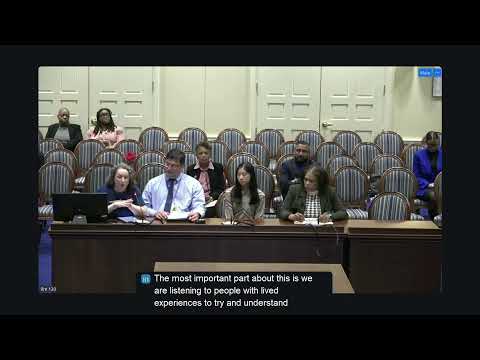
Delegate Emily Shetty introduced HB 14-58, explaining the bill would provide a state-funded SNAP benefit to certain refugees, asylees and humanitarian parolees who lost federal SNAP eligibility after changes in HR 1. She told the committee the affected population is estimated at about 10,000 people and that the fiscal note estimates general-fund costs up to $21.8 million annually if enacted as drafted.
"This population is now estimated to be about 10,000 people," Shetty said, and described the bill as intended to address an urgent gap in nutrition assistance created by federal policy changes. Witnesses from Maryland Hunger Solutions, Manna Food Center, the International Rescue Committee and local faith-based organizations described families losing benefits overnight and the immediate consequences for children’s health and household stability.
Claudette Miranda Zambrano of Maryland Hunger Solutions said the bill is urgent because federal changes have "significantly limited SNAP eligibility for immigrants," and that state action would mitigate immediate harm. Preeti Neputheri of the International Rescue Committee described refugees starting from zero on arrival and losing a short-term safety net that previously allowed families to stabilize.
A witness reading a client's account (Maureen Wambui) asked the committee to accept an anonymous testimony describing a single mother forced to rely on food pantries and to ration meals after receiving notice of SNAP termination.
Committee members acknowledged the fiscal implications and the timing pressures of the budget and crossover calendar. The sponsor indicated she was not pushing for immediate passage in the current fiscal year but sought committee support to continue working on the problem and to consider solutions during the interim.
What happens next: The committee heard multiple in-person and virtual supporters and did not record a final committee vote in the transcript. The sponsor said she would continue work with stakeholders; any fiscal action would depend on committee deliberations and potential budget language.