Get Full Government Meeting Transcripts, Videos, & Alerts Forever!
Get email alerts on the Setback Variance topic
No spam. Unsubscribe anytime.
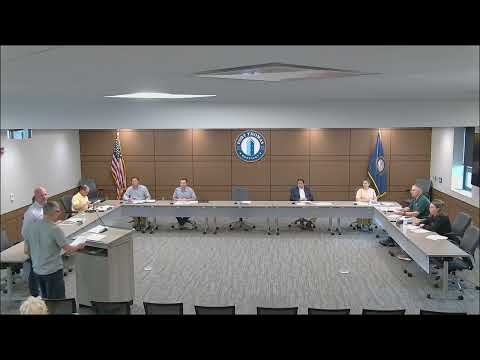
Board approves setback variance to let new house at 100 South Grand include safer driveway turnaround
Summary
The Board of Adjustment approved a 15‑foot setback variance allowing a new single‑family home at 100 South Grand to be sited roughly 65 feet from the front property line so the driveway can include a safer on‑site turnaround; staff read lender questions but said they were administrative.
The Fort Thomas Board of Adjustment on April 28 granted a front‑setback variance to allow a new single‑family home at 100 South Grand Avenue to be sited approximately 65 feet from the front property line, a 15‑foot variance from the maximum setback in the new unified development ordinance.
Applicant Charlie Gorman told the board the site presents a steep, blind curve on South Grand that makes backing out hazardous; moving the house back about 15 feet would allow an on‑site turnaround and avoid motorists reversing into a blind curve. Gorman said a revised plan situates a side‑entry garage so vehicles can turn around on the property and he did not expect to need a pavement‑to‑grass ratio variance with the new layout.
Staff explained the recent unified development ordinance sets maximum and minimum setback rules intended to maintain street flow; most houses on the block sit near 50 feet back, so the applicant’s 65‑foot placement was within the neighborhood pattern. Staff also read an emailed letter from Christina Carr, attorney for Millsap & Singer representing lienholder PennyMac Loan Services LLC, listing technical questions about demolition scheduling, easements, structural engineering and runoff analysis. Staff told the board that most of those items are administrative and under staff purview; the demolition permit had been issued and the demolition completed.
A board member moved to grant the requested variance, stating the motion met the board’s five criteria (health, safety and welfare; essential character of the vicinity; hazard or nuisance; unreasonable circumvention of the code). The motion was seconded and approved by roll call (all members recorded “Aye”).