Get Full Government Meeting Transcripts, Videos, & Alerts Forever!
Get email alerts on the Special Education topic
No spam. Unsubscribe anytime.
Oak Grove trustees hear spike in special‑education caseloads and staffing needs
Summary
District officials told the board that special‑education enrollment has risen to about 1,241 students (≈15% of district enrollment), driving higher assessments, more one‑to‑one aides and a $39.5 million special‑education spend that the state funds only partially. Trustees pressed for causes and interim steps, and staff said a therapeutic class could open Dec. 1.
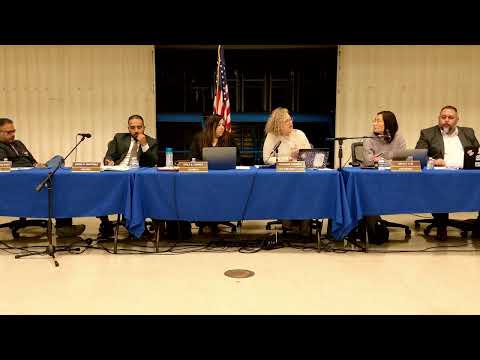
Oak Grove School District officials on Nov. 13 told the board that special‑education enrollment and related costs have climbed sharply, increasing pressure on staff and the general fund.
Assistant Superintendent Ena opened the presentation and introduced Director of Special Education Sheetal Singh and Coordinator Megan Duffy, who provided enrollment, staffing and fiscal figures for the district’s special‑education program. Singh said the district serves about 8,404 students total (including preschool) and currently has 1,241 students with individualized education programs, approximately 15% of enrollment. She said the district has completed 157 initial assessments so far this year and accepted 73 students who moved into the district with existing IEPs.
“The goal in Oak Grove is always to keep our students in the least restrictive environment,” Director Sheetal Singh said. She added that higher parental referrals and a lower testing threshold since the pandemic have sent more students into formal assessment and IEPs. “Legally, we are responsible for any parent that suspects a disability to request an assessment starting at age 3,” Singh said.
Coordinator Megan Duffy reviewed program capacity and staffing: preschool special‑day classes are at about 54% capacity, non‑categorical special day classes are at 91% capacity (caps of 15 students), categorical autism classes at Christopher are about 95% full, and the district now employs 144 instructional assistants, 42 of whom serve one‑to‑one.
Assistant Superintendent Ena summarized the fiscal impact: “Special‑education expenditures are approximately $39.5 million this year,” she said, and staff reported state funding of roughly $11.3 million with the district’s general fund offsetting the remainder. Officials warned that, as special‑education needs rise while overall enrollment declines, the cost burden on the general fund is growing.
Board members pressed staff on what is driving the rise. Trustee [functional label: Trustee] said referrals and initial assessments “have more than doubled,” and asked whether the increase reflects true additional need or changes in process and thresholds. Singh said parent referrals are the largest source and that a post‑COVID rise in parent requests, combined with a lowered bar for testing statewide, has increased assessments.
Trustees also asked about caseload limits and interim supports. Singh said contract caps set a resource specialist case cap at 28 (with voluntary increases to 31), a speech‑language pathologist cap at 55 (with some allowed to 58), and described how psychologists support sites rather than carrying a direct caseload. For students with acute behavior needs, staff said site teams are implementing interim solutions such as adding one‑to‑one aides while the district prepares to reopen a K–3 therapeutic class at Stipe, tentatively scheduled to begin Dec. 1.
Several public commenters during the special‑education discussion described classroom safety and training shortfalls. Renee Brotherston, a paraprofessional, urged cohort‑based safety‑care training and raised concerns about untrained contract aides. “We are putting in uneducated, untrained contractors in our rooms,” she told the board, describing a substitute aide who arrived late and left a student distressed. Board members acknowledged reporting gaps and encouraged staff to work with site principals and HR to improve incident reporting and trainings.
The presentation also outlined proposed contract supports for special‑education staff, including an annual stipend currently at $1,500 with a proposal to increase it to $2,750, additional prep time for intermediate teachers, and SDC release days for planning IEPs.
What’s next: staff said they will provide more detailed caseload data and numbers of contracted versus internal instructional aides, and will return with additional implementation details for proposed training and the planned therapeutic class opening.