Get Full Government Meeting Transcripts, Videos, & Alerts Forever!
Get email alerts on the Workforce Safety topic
No spam. Unsubscribe anytime.
Truancy outreach staff and community raise safety, scheduling concerns over proposed shift changes
Summary
Truancy outreach specialists (TOS) and community school staff told the board they were not consulted on a proposal to shift TOS hours later in the day, citing safety risks for home visits after dark and family scheduling strains; the board received requests to reconsider or pilot alternatives.
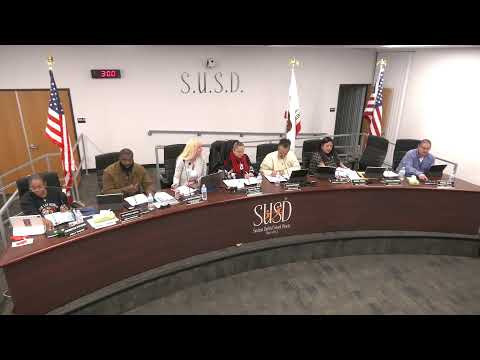
Several district staff and community members urged the Stockton Unified board to reconsider a proposed shift change for Truancy Outreach Specialists (TOS) that would move start times later and require some mandatory overtime or evening visits.
James Binder, speaking for the TOS team, said his unit visits thousands of homes and expressed safety concerns about later shifts: “Danger increases significantly after 4 p.m. ... asking staff to put themselves in a potentially dangerous situation” is unsafe, he said. Community Schools Partnership Specialist Bibiana Cervantes described the personal toll on families and staff and urged alternatives such as voluntary overtime, Saturday outreach or pilot programs funded through community school grants.
Speakers noted the change was announced with little consultation — an email sent 30 minutes before winter break — and several TOS employees told trustees the adjustment would affect staff who juggle multiple jobs, school schedules and caregiving duties. Trustees asked staff to clarify why the change is limited to the TOS team and whether other CWA positions would be affected.
District staff said they are working on options and data, and acknowledged discussions with principals and other stakeholders. Commenters asked the board to ensure any schedule change be data‑driven, include CWA input, and explore alternatives that avoid requiring after‑dark home visits.
The board did not take a final vote on a policy change at the meeting; the discussion was recorded as part of public comment and non‑agenda input.