Get AI Briefings, Transcripts & Alerts on Local & National Government Meetings — Forever.
Scott County magistrates debate coroner pay increase ahead of statutory deadline
Summary
At a special called Scott County Fiscal Court meeting, magistrates discussed a budget committee recommendation to raise the coroner’s salary (the recommendation was described in committee materials as roughly $57,500). Magistrates split over the size of the increase and whether it sets a precedent; the transcript shows a roll call was taken but does not include a clear consolidated tally.
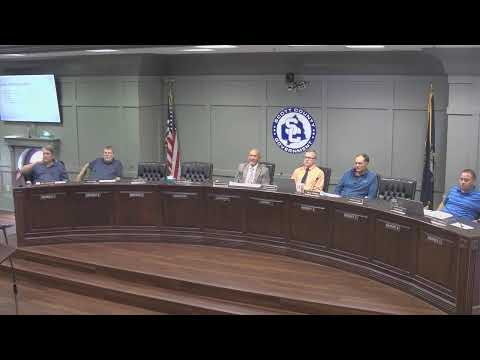
The Scott County Fiscal Court held a special called meeting to consider an increase in the county coroner’s salary and to meet a statutory deadline for changes to elected officials’ pay.
Judge Covington opened the meeting and said state rules require any adjustment above a cost‑of‑living raise to be set before the first Monday in May, which is why the court took up the coroner’s compensation at a special session. The budget committee’s recommendation — circulated in advance and referenced in the packet as roughly $57,500 — formed the basis of discussion.
Magistrates pressed differing views on how to value the position. Magistrate David Livingston said the proposed change would amount to a large percentage increase and warned that “46% is setting a bad example to the rest of our employees.” He referenced county benefits such as take‑home vehicles and on‑call expectations when comparing total compensation across county roles.
Judge Covington disagreed on principle with that framing, saying the coroner’s office “has been long underfunded” and noting the budget committee reviewed call volumes and job duties before making its recommendation. Coroner Mark described time demands for cases — “about 8 hours on average per case” — and the mix of scene work, family contact and administrative follow‑up that factors into the office’s workload.
Magistrate Rob Jones moved to accept the budget committee’s recommendation; the motion was seconded and a roll call was taken. The transcript records individual votes being called and several members stating “yes” or “no,” but the provided transcript segments do not contain a single clear, consolidated tally line showing the final numeric outcome. The court then adjourned the special‑called portion of the meeting and proceeded to scheduled presentations.
The meeting record makes clear several implementation details remain: magistrates discussed effective dates (the court discussed setting such changes effective January 1 for the incoming office) and noted that any adjustment above CPI would remain in place for four years under applicable rules. No definitive implementation schedule beyond that discussion appears in the transcript segments provided.
The court asked staff to circulate supporting data and to return with any clarifications. The transcript did not include a complete roll‑call tally in the segments supplied to this report; County staff did not provide an immediate consolidated vote count in the recorded excerpts.
What happens next: county staff and the budget committee will circulate the supporting data referenced during the discussion; any formal salary change must be finalized consistent with statutory deadlines and recorded in the official minutes and budget documents.