Get Full Government Meeting Transcripts, Videos, & Alerts Forever!
Get email alerts on the Housing Stability topic
No spam. Unsubscribe anytime.
Commissioners direct staff to design $500,000 housing‑stability pilot to blunt evictions
Summary
Bexar County directed staff to return with a program design for a one‑time $500,000 shallow rental subsidy (up to $3,500/household) funded by Housing Finance Corporation revenues; staff proposed using Catholic Charities to administer and prioritized households at 50% AMI and below.
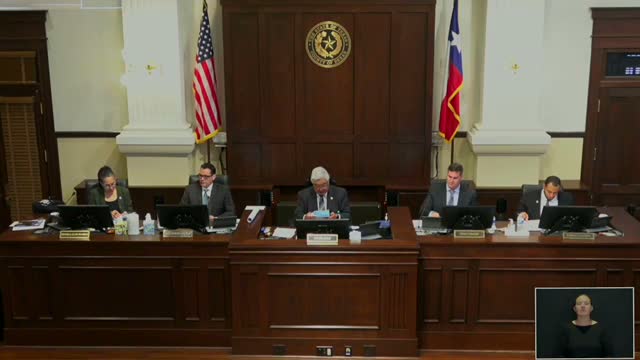
Bexar County staff asked the commissioners on Nov. 18 for direction to develop a one‑time housing stability pilot funded with $500,000 from the Housing Finance Corporation. Robert Reyna of the county’s Economic and Community Development Department said the proposal would offer a shallow subsidy (up to $3,500 per household) for tenants earning up to 80% of area median income, with priority for households at or below 50% AMI.
"Eviction data from January through October illustrates the scale of the problem. There were 22,116 filings countywide during this period," Reyna told the court, adding that the average arrearage was $2,747.62. He said the county’s COVID-era rental relief funds have been fully expended and that the proposed pilot would focus on stabilizing families who are not eligible for city programs.
Staff recommended the program be administered by a subrecipient partner; Reyna identified Catholic Charities as a likely administrator and said the county would refer clients to the nonprofit for intake and delivery. Commissioners expressed concern the $500,000 pilot would be a small share of monthly eviction‑level needs but supported a targeted approach that prioritizes the most vulnerable.
The court voted to give staff direction to return with a detailed program plan, eligibility criteria and an implementation timeline. The motion instructs staff to bring back details on outreach, selection/priority scoring (with emphasis on lower‑income households), and how the county would coordinate with Catholic Charities and other partners.
What’s next: Staff will return with a proposed program design that includes prioritization criteria, estimated caseloads, administrative plan and an implementation timeline for fall/winter distribution if approved.