Get Full Government Meeting Transcripts, Videos, & Alerts Forever!
Get email alerts on the Specialty Courts topic
No spam. Unsubscribe anytime.
Residents and graduates urge Bexar County to preserve Reflejo specialty court as commissioners approve related grant filing
Summary
Dozens of participants, family members and treatment staff urged the Bexar County Commissioner’s Court not to defund Reflejo Court, describing treatment, housing and near‑zero recidivism; the court approved a grant application to the state for funding of the specialty court.
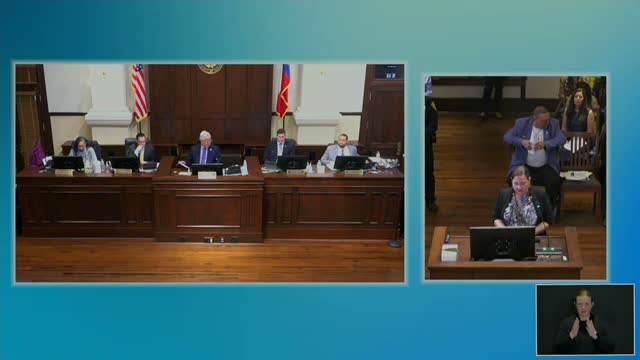
Dozens of Reflejo Court participants, alumni and staff told the Bexar County Commissioner’s Court on Feb. 2 that the specialty treatment court should not be defunded and urged commissioners to approve a pending grant application that supports its services.
Terry Benavidez, speaking for Judge Rosie Gonzalez, said Reflejo Court is “an innovative and award‑winning treatment court…that has saved the lives of almost 50 graduates and their families,” and asked commissioners “not to defund Reflejo Court.” Program participants gave personal testimony: Chase Petty said, “This program has made me into a better person,” and others described recovery, employment and family reunification outcomes.
County staff and several commissioners framed the item as a grant application under consideration rather than an attempt to defund the court. Commissioner Grant Moody reiterated support for specialty courts while stressing the court’s need for oversight and performance metrics. Judge Peter Sakai and other commissioners emphasized that the current action before the court was approval to submit an application and, when appropriate, accept funds if awarded.
Public commenters and court staff repeatedly cited program outcomes and low recidivism rates. Program clinicians described the court as trauma‑informed and noted clinical measures used to track participants’ progress; a treatment provider said the average adverse‑childhood experience score for participants was high and that continuity of care is critical. Multiple speakers warned that removing the program would risk relapse and reoffending among participants.
After the public comment period, the court voted to approve the consent‑agenda grant items, including the application for Reflejo Court funding. Commissioners listed other grants approved at the same vote, and the court recorded the motion as carried unanimously.