Get Full Government Meeting Transcripts, Videos, & Alerts Forever!
Get email alerts on the Legal Conflict topic
No spam. Unsubscribe anytime.
City counsel: proposed five-year residency rule appears to conflict with Connecticut statute
Summary
Danbury corporation counsel told the council that a draft ordinance’s proposed five-year residency requirement likely conflicts with Connecticut statute 12-129n, which requires applicants to be residents for one year prior to application; a council member objected that the legal explanation was inappropriate for a workshop. The Council reserved formal action and Committee of the Whole consideration.
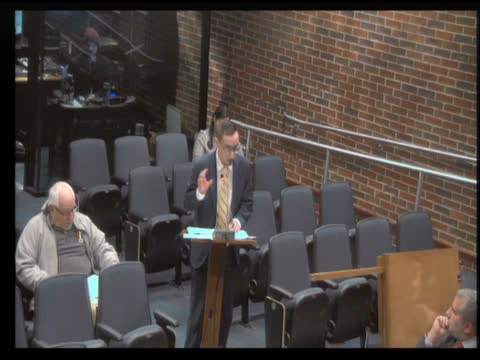
Corporation counsel told the council that paragraph 2 of the draft tax-relief ordinance — which would require five years’ residency in Danbury for applicants — appears to conflict with Connecticut General Statute 12-129n, which the counsel said requires applicants to be residents for one year prior to their application for a tax benefit.
The counsel said the office had reviewed the draft and identified that while the ordinance’s introducing language cites the statute, the five-year residency language in paragraph 2 creates an inconsistency with the state requirement. The counsel recommended the council proceed with the ordinance if it chooses but adopt an amendment to align the residency requirement with the statute or address the discrepancy at the Committee of the Whole so the application window is not delayed.
Councilman Fox raised a point of order, saying that counsel’s detailed legal explanation was inappropriate for a workshop and should have been presented in the Committee of the Whole, arguing the workshop is not the official forum for that legal guidance. The counsel and Fox disagreed over whether addressing the issue now would reduce confusion during the public comment period; the chair closed workshop business and moved to formal public-hearing steps and Committee of the Whole consideration was signaled for later.
No formal vote or amendment was taken at the workshop; the council and staff indicated the drafting discrepancy would be handled through the council’s processes and that any final ordinance would need to align with the statutory residency requirement before adoption.