Get Full Government Meeting Transcripts, Videos, & Alerts Forever!
Get email alerts on the School Policy Immigration topic
No spam. Unsubscribe anytime.
Baltimore County board approves first reader of Policy 12-50 on immigration-enforcement access after wide public comment
Summary
After hours of public testimony from families, students and staff, the Baltimore County Board of Education approved the first reader of Board Policy 12-50, which would limit school cooperation with immigration enforcement, require judicial warrants for enforcement on campuses and set annual training requirements; legal and implementation questions remain.
The Baltimore County Board of Education on April 21 approved the first reader of a new Board Policy 12-50 that would limit immigration enforcement on school property and set protocols for staff training and data privacy.
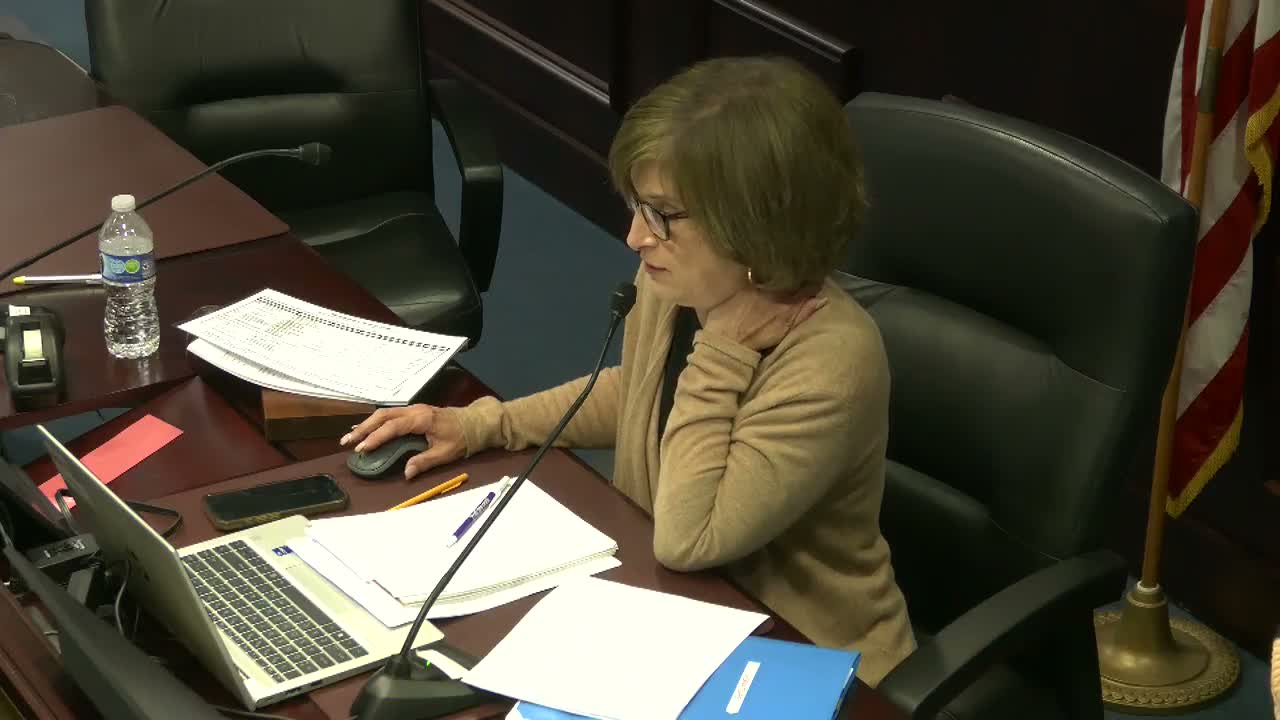
The policy, presented by Policy Review Committee chair Christina Pumphrey, would require judicial warrants for immigration enforcement on school grounds, prohibit collection and sharing of student immigration-status data, and mandate training and trauma-informed counseling practices. Pumphrey successfully moved an amendment changing some training requirements from a quarterly basis to at least a yearly basis, and the board accepted the committee recommendation as amended.
The vote followed extensive public comment from students, parents, advocacy groups and school staff. "When students feel safe, it's easier for them to learn," said Edwin Perez of the Baltimore County PTA Council, urging the board to adopt the policy and to require trauma-informed counselor practices. Ten-year-old student Evan, speaking for We Are CASA, told the board, "School is a place where I feel safe ... I want all my friends to feel safe and happy at school too." Christina Pumphrey, the policy sponsor, said the proposal aligns with federal protections and the board's existing resolution and stressed training for front-office staff in the event of an enforcement presence.
Superintendent Dr. Rogers acknowledged the emotional testimony and told the board the system has spent the past year monitoring student impacts and engaging lawmakers and the State Board of Education. Staff noted the policy is intended as a floor and may be strengthened as enforcement patterns change.
Board members raised legal and practical questions during the first-reader debate. Several members asked staff about whether bus stops and other off-campus sites can be designated "non-public" under the policy; others pressed for confirmation that general counsel had reviewed the language. Pumphrey said counsel had input prior to the committee's recommendation and that the amended policy could again be reviewed before the second reader if members requested it.
The board voted to adopt the policy at first reader as amended; it will return for additional review and a formal second reading under the board's regular process. Board members and staff said they expect continued work on implementation details including training scope, how to define non-public spaces, and coordination with legal counsel.
Next steps: the policy will proceed through the board's review cycle toward a second reader and further legal and operational refinement.